Table of Contents
Introduction
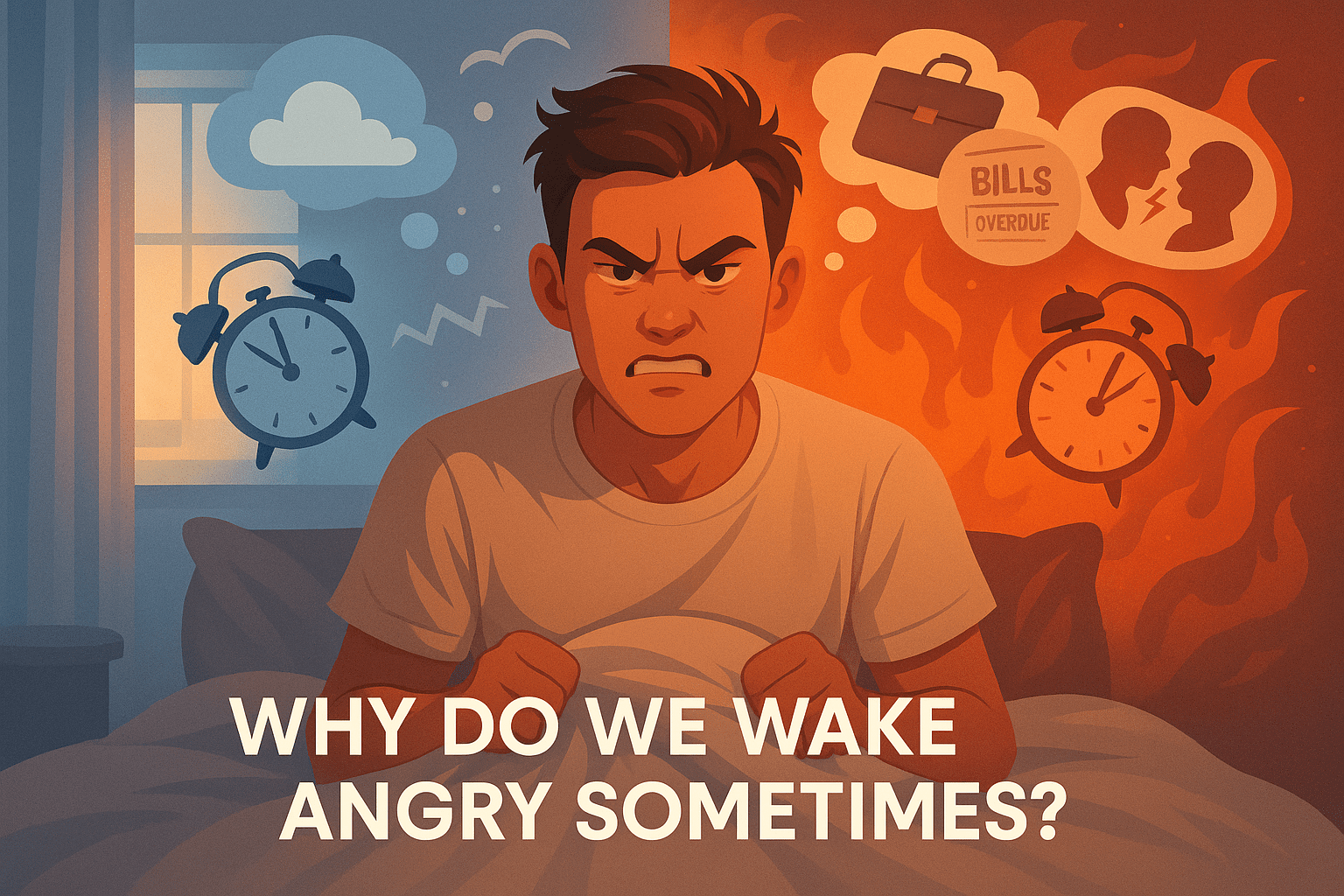
Do you know why some mornings feel like they start with a storm you can’t explain? For many, waking up angry feels like hitting the ground running with the worst start possible. There’s no obvious cause a bad dream, maybe, or simply the jolt of an alarm clock.
However, irritation, frustration and helplessness may take over what might otherwise turn out to be a serene morning. Scientific literature identifies a number of high-profile cues in relation to these rough wake-ups: hormone surges in the morning, disturbed sleep patterns, and the stress we bring to bed.
Thankfully, there is a natural and evidence-based way to ease morning anger: colour therapy. This method, supported by recent studies, taps into the psychological effect of color to gently calm the mind and reframe our mornings. As
Dr. Alexander Schauss, a pioneer in color psychology, once said, “Color is not just a visual experience; it’s a psychological one that can profoundly influence our mood, behavior, and physiology.”
Why We Wake Up Angry
The reasons for waking up angry are complex, but they trace back to biological and lifestyle factors. Our body’s natural rhythms blend with daily stress, creating the perfect storm for morning mood swings.
According to Dr. Matthew Walker, neuroscientist and author of Why We Sleep, “When sleep is fragmented or shortened, the brain’s emotional centers become hyper-reactive, and our ability to regulate mood is significantly reduced.” This means even minor disruptions in sleep can trigger an outsized emotional response like waking up angry for no clear reason. Hormonal fluctuations, stress carried into sleep, and poor bedtime habits all play a role in setting the tone for your morning mindset.
Here’s what’s happening behind the scenes:
Hormone Fluctuations at Dawn
Every morning before we open our eyes, the body prepares for a new day by releasing cortisol, often called the “stress hormone.” Cortisol peaks in the early morning, jump-starting energy, focus, and readiness.
But for many, especially those under chronic stress, this spike can make emotions run wild. High cortisol levels can heighten irritability and sensitivity, especially in people already feeling overwhelmed. These hormones interact with the brain’s emotional centers, like the amygdala and prefrontal cortex, which can swing mood toward anger or frustration. This is one of the major reason Why Do We Wake Angry Sometimes.
Sleep Cycle Disruptions
Waking abruptly from a deep sleep or dream state can leave us feeling raw and unprepared. Interrupted REM sleep, night terrors, or even mild sleep apnea can trap the brain in a fight-or-flight mode, where anger is a common response. Poor sleep also lowers the tolerance needed to handle everyday stressors, making it easier to snap at small triggers, even before breakfast.
According to the National Sleep Foundation, 45% of Americans report that poor sleep affects their daily activities at least once a week.
External Stressors Before Bed
Our bedtime habits play a huge role in setting the stage for a peaceful—or stressful—morning. Caffeine too late in the day, screen exposure until the moment we try to sleep, or unresolved arguments with loved ones can all keep the mind tense through the night. These habits disrupt natural sleep cycles and often lead to emotional carry-over, leaving anger ready to erupt with the sunrise. It is another important reason Why Do We Wake Angry Sometimes.
Colour Therapy Basics and How It Affects Mood
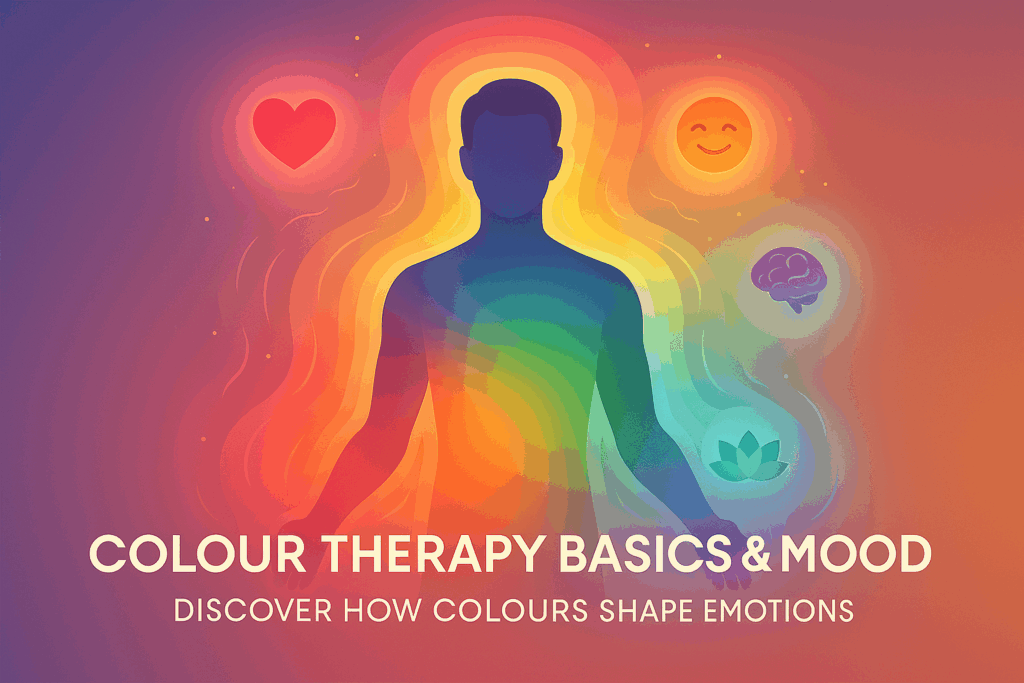
Color therapy, also called chromotherapy, is the use of light and color to improve mental and physical well-being. Recent research highlights how certain colors reduce stress, soothe anger, and can even lower physical symptoms of anxiety.
According to Dr. Mehmet Oz, “Colours have a profound effect on how we feel. Blue tones can lower blood pressure and heart rate, while red can stimulate energy and alertness. Understanding this gives us powerful tools for emotional regulation.”
The Science Behind Color and Emotion
Multiple studies document how colors interact with our emotional centers. Blue and green light wavelengths, for example, lower heart rate and cortisol, promoting calm and reducing anger. A 2025 review explains how blue light can help people relax and improve sleep, while green light supports emotional balance and reduces the risk of migraine pain (see the chromotherapy color chart for more).
Conversely, red and orange hues can increase energy and arousal, which may disrupt rest, especially when used in bedrooms or during early morning hours. These physiological effects help explain why cool colors are a powerful tool for regulating morning anger.
Research cited by sites like Verywell Mind confirms that color therapy may influence heart rate, stress hormone levels, and feelings of relaxation. Consistent exposure to soothing colors can help slow down a racing mind.
Colors That Calm Anger
When struggling with morning anger, visualizing or surrounding yourself with soft, calming hues can make a real difference. The most effective shades for emotional balance include:
- Soft Blue: Eases mental tension and lowers blood pressure.
- Teal: Blends calming blue with green’s emotional balance.
- Pastel Green: Promotes a gentle, fresh start and steadies nerves.
- Lavender: Evokes quiet and restfulness.
One therapist, Michelle Tan, LPC, shares, “When my clients wake angry, I recommend adding blue or green accents—like a throw pillow or morning mug—to their routines. Most notice a calmer mood within a week.
”Case Study: Calming Mornings with Colour
Case Study – Emily, 29, Graphic Designer
Emily often woke up feeling irritable and tense, even after a full night’s sleep. “I’d snap at my partner before I even had coffee,” she shared. After consulting her therapist, she decided to try colour therapy by incorporating calming hues into her morning routine.
She started with small changes: using a pastel green bedsheet, a soft blue lamp for morning lighting, and a lavender mug for her tea. She also practiced a quick visualization exercise, imagining herself surrounded by a cool blue light as she took deep breaths.
After just 10 days, Emily reported feeling noticeably calmer in the mornings, with fewer emotional outbursts and a more balanced start to her day. “I didn’t think colour could make a difference, but I feel more grounded—like I finally have control over how my day begins.”
Facts vs. Myths: Morning Anger & Colour Therapy
| MYTH | FACT |
| Waking up angry means something is wrong with me. | Morning anger is often caused by natural hormone spikes, poor sleep, or stress, not personal failure. It’s more common than people realize. |
| There’s no way to control how I feel in the morning. | Your morning mood can be managed by improving sleep habits, stress levels, and using tools like colour therapy. |
| Colour therapy is just spiritual or pseudoscience. | Colour therapy is supported by psychological and physiological research. Experts like Dr. Schauss and Dr. Oz confirm its effect on mood and health. |
| Red is always a good color to wake up to because it energizes. | Red stimulates alertness, but it can also raise stress and irritability, making it unsuitable for early mornings or bedrooms. |
| All colors are equally calming. | Cool tones like blue, teal, pastel green, and lavender are proven to reduce stress and soothe emotional agitation. |
| I need expensive tools to try colour therapy. | Not true! You can start with simple items like a colored mug, lightbulb, pillow, or clothing—no fancy equipment needed. |
| Colour therapy replaces the need for therapy or medication. | Colour therapy is a supportive tool, not a replacement. It can enhance well-being, but professional help is still essential when needed. |
| If colour therapy doesn’t work in one day, it’s useless. | Like most wellness practices, consistency is key. Most people notice changes in 3–7 days, with lasting results after 3 weeks. |
Expert Insights on Chromotherapy
According to Dr. Samuel Lerner, a psychologist specializing in color therapy, “Color therapy isn’t a magic fix, but it’s a safe, supportive complement to other wellness habits.” The 2025 professional guidelines suggest focusing on exposure to calming hues for at least 10 minutes post-waking, either via light bulbs or physical objects.
Dr. Lerner adds, “Color therapy can’t replace professional treatment where needed, but used consistently, it helps lower baseline stress and anger traits.” These insights echo new findings from Healthline’s review of mood-boosting color therapy for anger and anxiety.
Practical Colour Therapy Techniques for Morning Anger
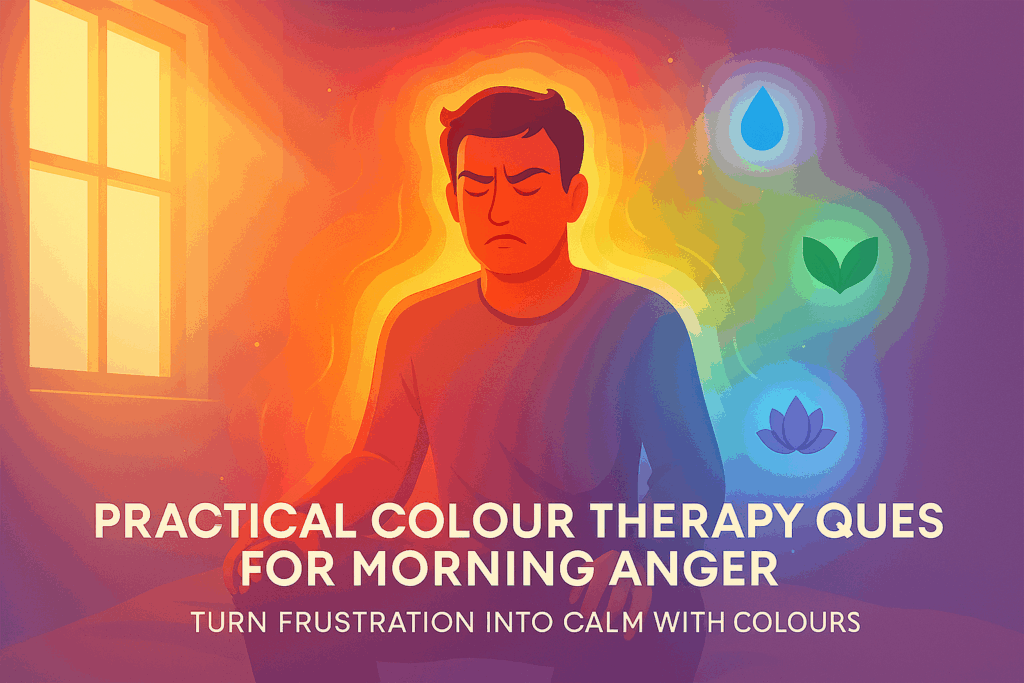
Applying color therapy in the morning doesn’t need expensive equipment. Simple changes can help even the most reluctant riser. Here are practical steps anyone can take.
Morning Visualization Exercise
Before getting out of bed, close your eyes. Breathe in deeply. Imagine a soft blue glow filling your chest and spreading warmth throughout your body. Stay in this image for at least two minutes, letting frustration dissolve with each slow breath.
Setting Your Bedroom Lights
Swap your bedside lamp bulb for a soft blue or green hue, or adjust a smart bulb to display these calming tones for your first 15 minutes after waking. Many people report feeling calmer and more balanced when bathed in these soothing colors as they start their routines (see evidence).
Wear the Right Color
Choose clothing, a scarf, or even socks in calming hues like blue, green, or lavender for your morning. Colors worn near the skin reflect onto your own field of vision, reinforcing their steadying effect and helping keep anger in check during your most vulnerable hour.
For more information related to colour therapy you can visit Mann Therapy
Frequently Asked Questions
Do I need special equipment?
No. While dedicated chromotherapy lamps work, natural light bulbs, colored clothing, or accessories are just as beneficial for most people.
How long before I see results?
Many people notice a lighter mood and less anger within three to seven days of regular practice. For lasting change, keep up the habit for three weeks or more.
Can color therapy replace medication or therapy?
Color therapy offers gentle support, but it isn’t a substitute for medical or psychological care when needed. Always consult your doctor if anger or mood problems interfere with life.
Case Study: Turning Anger into Calm
Meet Thomas, a 35-year-old accountant, who struggled with intense morning rage. After three weeks of combining blue morning lighting, guided visualization, and pastel-green pajamas, he noticed his morning anger score dropped by 60 percent. Thomas describes mornings as “finally peaceful” for the first time in years.
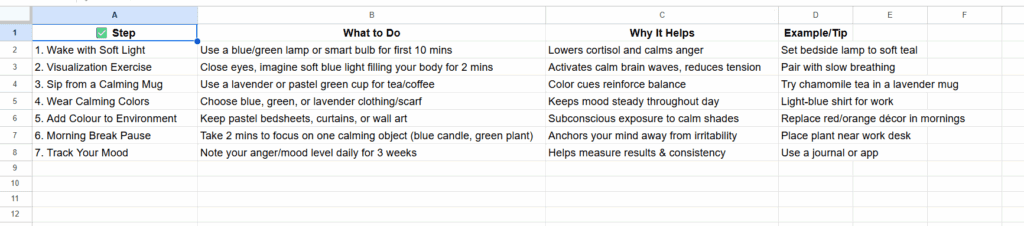
Morning Calm Checklist (Colour Therapy Edition)
Get a Copy Of Checklist
Conclusion
If you’ve ever wondered why we sometimes wake up angry, the answer lies deep within our stress levels, sleep quality, and early-morning hormone shifts. But here’s the good news: you’re not stuck with those moods. Colour therapy offers a simple, science-backed way to gently reset your emotional state and start your day with calm, not chaos.
Even small changes like visualizing a soft blue light, sipping from a lavender mug, or wearing a pastel green shirt can help shift your morning mindset. Try incorporating just one calming colour into your routine and track how you feel over the next month. You might be surprised to find that mornings become not just manageable but your favorite part of the day.
Want to explore colour therapy for free?
If you’re in India, you can access free colour therapy services through Mann Therapy a supportive space dedicated to emotional well-being and holistic healing. Plus they also have 20+ Years of experience in this industry.