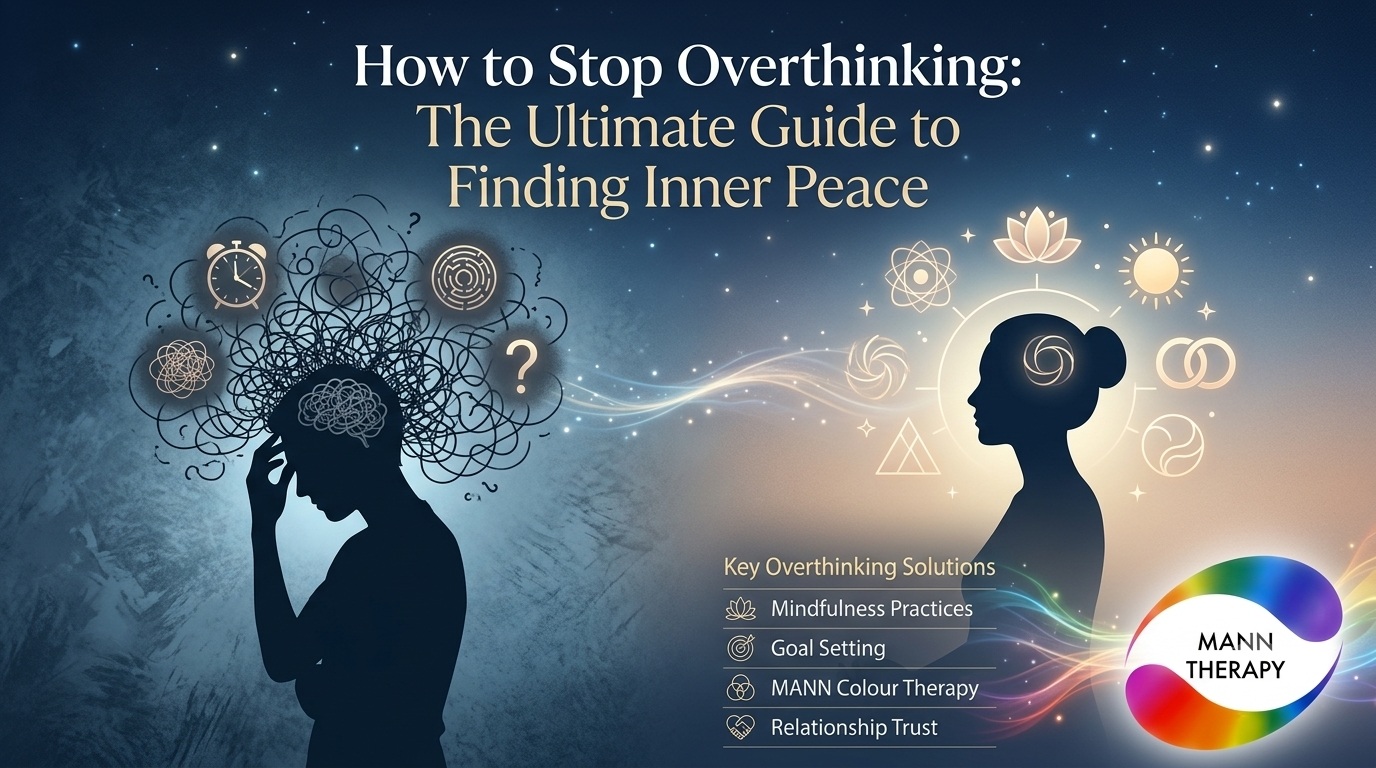
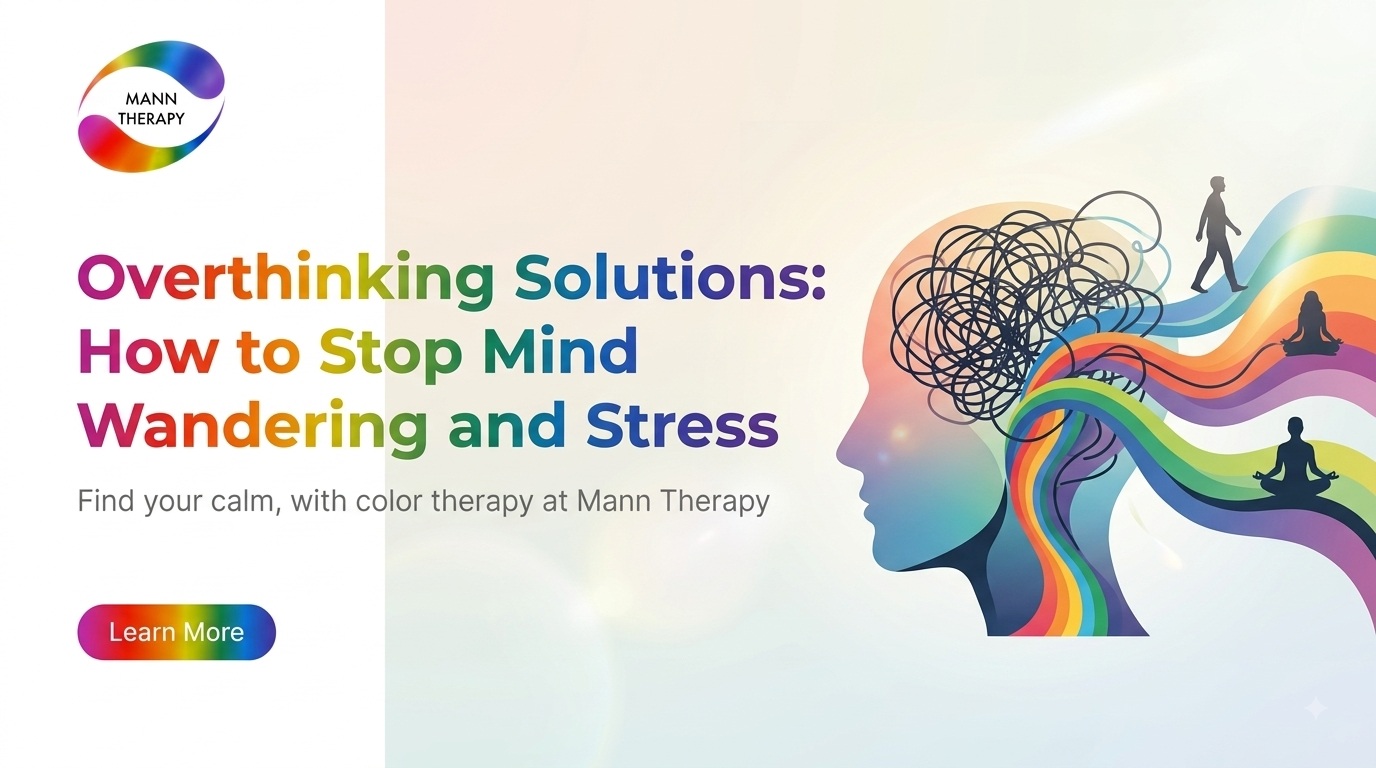
Overthinking can drain your mental energy and make daily life feel overwhelming. When your mind gets trapped in endless thought loops, simple decisions become difficult to make. Finding effective overthinking solutions helps you regain control over your focus and clear away unnecessary worry. By taking practical steps every day, you can quiet your noisy thoughts and build a far calmer, healthier mind.
Many people search for reliable ways to reduce mental clutter and find lasting balance. Simple habits like daily journaling, deep breathing exercises, and staying present can make a significant difference. Cultivating self-compassion also helps break the cycle of constant self-criticism. Over time, practicing these basic mindfulness techniques builds long-term resilience, allowing you to respond to daily life stresses with much greater ease and confidence.
Why Do I Worry and Overthink Everything Throughout the Day?
Worrying constantly often comes from a deep need to control every single outcome. When you worry, your brain mistakenly tries to protect you from potential future problems by running through every possible worst-case scenario. This habit creates a continuous loop of anxious thoughts that feel almost impossible to break. Recognizing these triggers early is the very first step toward slowing down your mind.
Overthinking also stems from underlying stress, past experiences, and unresolved fears that linger over time. Your brain stays on high alert, constantly scanning your environment for potential threats that might never actually happen. Understanding that your thoughts are just temporary reactions rather than absolute facts allows you to step back, take a deep breath, and regain your emotional balance much faster.
Is Overthinking a Sign of Depression or Just Heavy Stress?
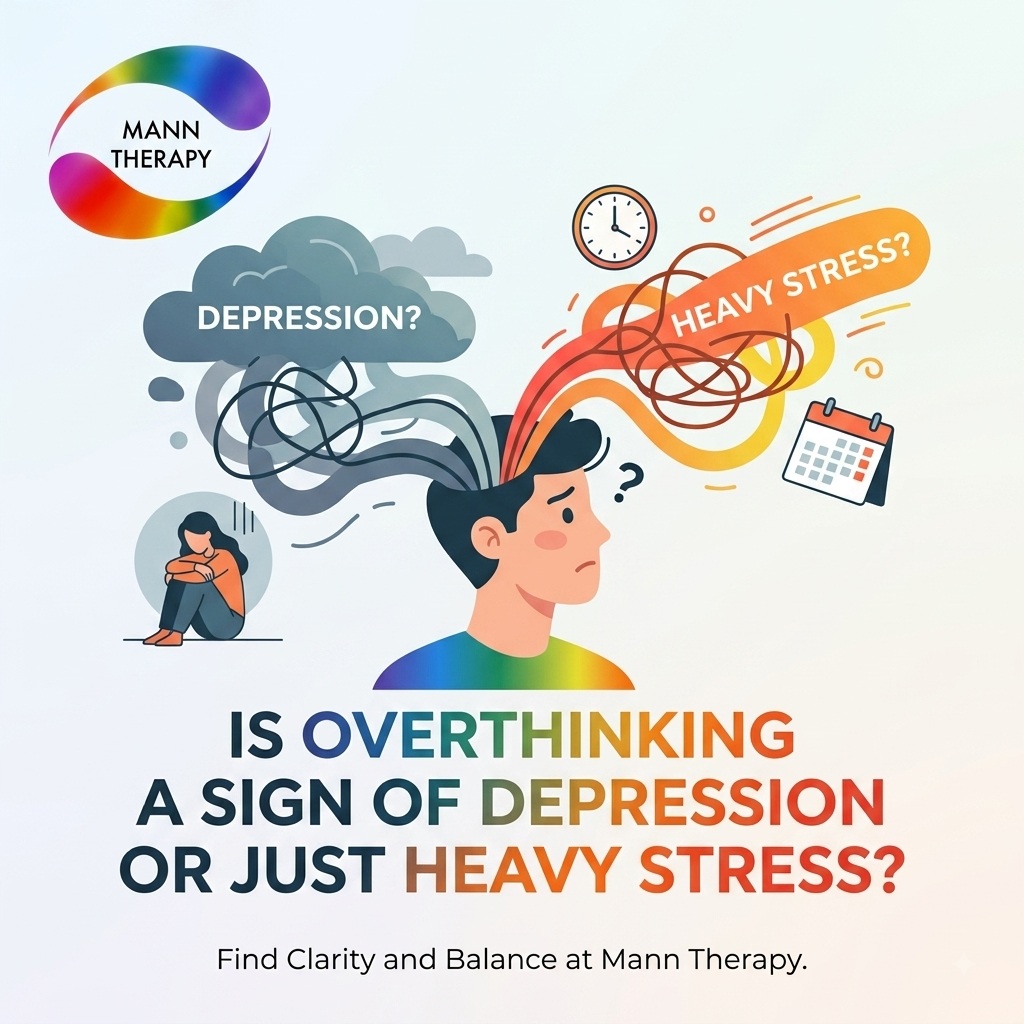
Overthinking can be a clear symptom of both high stress and underlying depression. When you feel depressed, negative thoughts frequently linger and cycle endlessly through your mind, making daily tasks feel overwhelming. High stress levels also trigger constant worrying about your responsibilities, performance, and immediate future. Identifying the primary source of your mental fatigue helps you choose the right steps to heal.
While occasional stress causes temporary worry, chronic overthinking linked to depression often brings persistent sadness, hopelessness, and low energy. Distinguishing between standard stress and clinical mental health conditions is essential for getting proper support. Paying close attention to how long these negative patterns last helps you determine whether simple lifestyle adjustments or professional guidance will best restore your well-being.
How to Stop Negative Overthinking Anxiety and Intrusive Thoughts
Intrusive thoughts can trigger sudden waves of anxiety that disrupt your entire day. To break this unsettling cycle, you must acknowledge the thought without judging yourself or reacting emotionally. Remind yourself that thoughts are merely passing mental events, not absolute facts. Reframing negative ideas into balanced, realistic perspectives helps you regain control over your emotional state and reduces anxiety quickly.
Practicing grounding techniques like focusing on physical sensations or repeating a soothing phrase can pull you straight out of a negative spiral. Redirecting your attention toward creative activities, physical movement, or meaningful hobbies prevents your mind from dwelling on irrational fears. Building this supportive daily routine steadily trains your brain to filter out intrusive thoughts and stay anchored in the present moment.
How to Stop Overthinking ASAP During an Anxious Episode
When an acute spike of anxiety strikes, you need immediate grounding tactics to calm your system. Applying quick overthinking solutions like focusing on your breathing right away helps by taking deep, slow breaths into your belly for a few seconds. Try using the simple 5-4-3-2-1 technique: name five visible objects around you, touch four distinct textures, listen for three sounds, smell two scents, and taste one flavor.
Physical movement also acts as a fast reset for an overactive and anxious mind. Getting up to stretch, splashing cold water on your face, or going for a brief walk changes your sensory input immediately. These actionable overthinking solutions disrupt the mental loop and signal safety directly to your nervous system, allowing your racing heart to settle down and your mind to regain clarity within minutes.
How to Stop Overthinking at Night for Restful Sleep Every Time
Nighttime overthinking often happens because the quiet environment leaves your brain free to process unprocessed stress. When you lie down in bed, worries about yesterday or tomorrow can quickly race through your mind, making it essential to learn how to stop overthinking before sleep. Establishing a calm, screen-free bedtime routine tells your body it is safe to unwind, making it much easier to fall asleep without endless mental chatter.
Writing down your nagging thoughts in a daily journal before getting into bed helps clear your mind effectively and train your brain to stop overthinking at night. If you still find yourself tossing and turning, step out of bed and do a quiet, non-stimulating activity until you feel naturally drowsy. Creating this firm boundary between your active worries and your sleep environment protects your restful nights and keeps your bedroom a peaceful sanctuary.
How to Relax My Mind from Overthinking and Anxiety Naturally
Relaxing your mind requires consistent self-care habits that soothe your entire nervous system regularly. Engaging in gentle physical exercises like walking, gentle yoga, or light stretching helps release built-up muscular tension from stress. Setting aside quiet moments throughout your busy day to simply rest without digital distractions allows your brain the space it truly needs to recharge and recover.
Incorporating natural therapies into your wellness routine provides deep relaxation for your body and mind. Gentle music, soothing scents, and holistic wellness practices help calm an overactive mind without requiring heavy effort. Exploring creative outlets, spending time outdoors in nature, and spending time with supportive friends also nourish your emotional health and naturally ease persistent anxiety over time.
Overthinking Solutions with Gentle Colour Therapy at Mann Therapy
At Mann Therapy, we offer non-invasive Colour Therapy to help quiet your overactive mind and restore inner harmony. Specific light frequencies and subtle color vibrations interact directly with your body’s energy centers to calm a hyperactive nervous system. This natural, soothing treatment helps balance your emotional state, releasing lingering stress and reducing the mental clutter caused by chronic overthinking.
If you are struggling to break free from constant worry, Colour Therapy provides a gentle, effective pathway toward lasting relief. Our customized sessions help ease racing thoughts, improve your sleep quality, and restore a deep sense of peaceful well-being. Let Mann Therapy guide you toward a lighter, clearer mind so you can live every day with confidence and calm.