In our fast-paced modern world, the word “stress” is thrown around constantly. We wear our busyness like a badge of honor, often ignoring the quiet toll it takes on our minds and bodies. Understanding stress and stress management isn’t just about finding ways to relax on the weekend; it’s about learning how to navigate life’s inevitable pressures without letting them break you. Effective management starts with recognizing that stress is a natural response, but living in a perpetual state of survival is optional.
What is stress? / Psychological Stress – Decoding the Mental Weight of Modern Life
At its core, psychological stress is the uncomfortable gap between the demands placed on you and your perceived ability to cope with them. It is an emotional and mental strain that occurs when challenges outpace your available resources. When you feel overwhelmed by a looming deadline, financial strain, or a difficult relationship, your brain perceives a threat to your well-being, shifting your mental state from peace to hyper-vigilance.
Types of stress – The Three Distinctions You Need to Know
Not all stress is created equal, and it generally falls into three categories:
- Acute Stress: The most common form, triggered by recent pressures or upcoming challenges (like a sudden argument or an upcoming presentation). It is short-lived and usually resolves quickly.
- Episodic Acute Stress: This occurs when acute stress becomes a frequent pattern. People who live in chaos, always run late, or perpetually take on too much experience life as a series of mini-crises.
- Chronic Stress: The most damaging type. This is wear-and-tear that grinds people down over years. It stems from unrelenting demands like poverty, an unhappy marriage, or a toxic career, where the individual sees no way out.
Causes of stress – Unmasking the Daily Triggers and Hidden Traps
The triggers, or stressors, vary wildly from person to person, but they generally stem from major life changes, daily hassles, or internal mindsets:
- External Triggers: Major life pivots (moving, changing jobs, loss), financial pressures, workplace overload, and relational conflicts.
- Internal Triggers: Perfectionism, pessimistic self-talk, unrealistic expectations, and the inability to accept uncertainty.
Stress Symptoms – How Your Body Whispers Before It Screams
Your body speaks fluent “stress” long before your mind explicitly admits it. Symptoms often manifest across four distinct domains:
- Physical: Frequent headaches, muscle tension in the neck and shoulders, fatigue, chest racing, or digestive issues.
- Emotional: Irritability, anxiety, mood swings, or a general feeling of being overwhelmed.
- Cognitive: Brain fog, constant worrying, poor concentration, and memory lapses.
- Behavioral: Pacing, nail-biting, changes in sleep patterns, or social withdrawal.
Stress Hormones – The Internal Chemistry of the Survival Response
When a stressor appears, your brain’s alarm system, the hypothalamus, signals your adrenal glands to release a surge of hormones. The primary players are adrenaline and norepinephrine, which instantly increase your heart rate, elevate your blood pressure, and boost energy supplies to prepare you to fight or flee.
Cortisol – The Master Chemical Controlling Your Daily Dread
While adrenaline handles the immediate rush, cortisol is the primary stress hormone that manages long-term survival. It alters immune system responses, suppresses the digestive and reproductive systems, and communicates with the brain areas that control mood and fear. Under normal circumstances, cortisol levels naturally fluctuate throughout the day, peaking in the morning to help you wake up. However, under constant pressure, the valve stays open, flooding your system continuously.
Effects of stress – The Hidden Toll on Mind, Body, and Longevity
When cortisol and adrenaline remain elevated for prolonged periods, the “fight-or-flight” response becomes toxic. Chronic stress leaves the body vulnerable to a host of serious health complications, including:
- Weakened immune response, making you more susceptible to illnesses.
- Increased risk of cardiovascular issues, such as hypertension and heart disease.
- Disrupted sleep cycles leading to insomnia.
- Mental health struggles, including clinical anxiety and depression.
Stress Eating – Why Your Brain Craves Comfort Foods Under Pressure
One of the most immediate behavioral side effects of elevated cortisol is the urge to self-soothe with food. Cortisol increases appetite and actively signals the body to crave nutrient-dense, calorie-heavy comfort foods, specifically those high in sugar and fat. This emotional eating provides a temporary dopamine hit that tricks the brain into feeling safe, creating a vicious cycle of craving, consumption, and subsequent guilt.
Reduce Cortisol – Science-Backed Habits to Lower Your Bio-Marker
To interrupt this cycle, you must actively send safety signals to your brain to lower cortisol production. Effective daily habits include:
- Prioritizing Deep Sleep: Aim for 7-9 hours of quality sleep to naturally reset your hormone baseline.
- Mindful Movement: Engage in regular, moderate exercise like walking, swimming, or yoga (avoid excessive, hyper-intense workouts when already exhausted, as they can temporarily spike cortisol further).
- Breathwork: Simple diaphragmatic breathing patterns activate the parasympathetic nervous system, telling your body it is safe to relax.
Treatment for High Cortisol – Clinical Interventions for Hormonal Balance
When lifestyle shifts aren’t enough to move the needle, or if testing reveals chronically abnormal cortisol curves, clinical interventions may be necessary. This can include working with a healthcare professional to explore targeted supplementation (such as adaptogens like Ashwagandha or Rhodiola), adjusting underlying medications, or ruling out specific endocrine disorders like Cushing’s syndrome through medical evaluation.
Critical Incident Stress Management – Crisis Interventions for Extreme Trauma
Sometimes, stress isn’t a slow build; it’s a sudden, catastrophic shockwave caused by a traumatic event, such as a natural disaster, an accident, or workplace violence. Critical Incident Stress Management (CISM) is a specialized, structured intervention system designed to assist individuals or groups experiencing severe psychological trauma. It provides immediate, short-term support to help victims process the crisis, stabilize their emotional state, and mitigate the risk of developing Post-Traumatic Stress Disorder (PTSD).
Anti Stress – Building a Mindset Shield Against Future Overwhelm
Adopting an “anti-stress” lifestyle means proactively building resilience so that future pressures don’t derail you. This involves setting firm boundaries in your personal and professional life, practicing the power of saying “no,” disconnecting from digital screens regularly, and reframing your internal narrative to focus on what you can control rather than worrying about what you cannot.
Stress Relief – Immediate, Fast-Acting Tactics for On-the-Spot Calm
When you are in the thick of a stressful moment, you need immediate tools to break the tension. Effective, quick-acting relief techniques include:
- Taking a 10-minute walk outside in nature.
- Journaling your thoughts onto paper to empty your mind.
- Practicing progressive muscle relaxation (tensing and releasing muscle groups from your toes to your jaw).
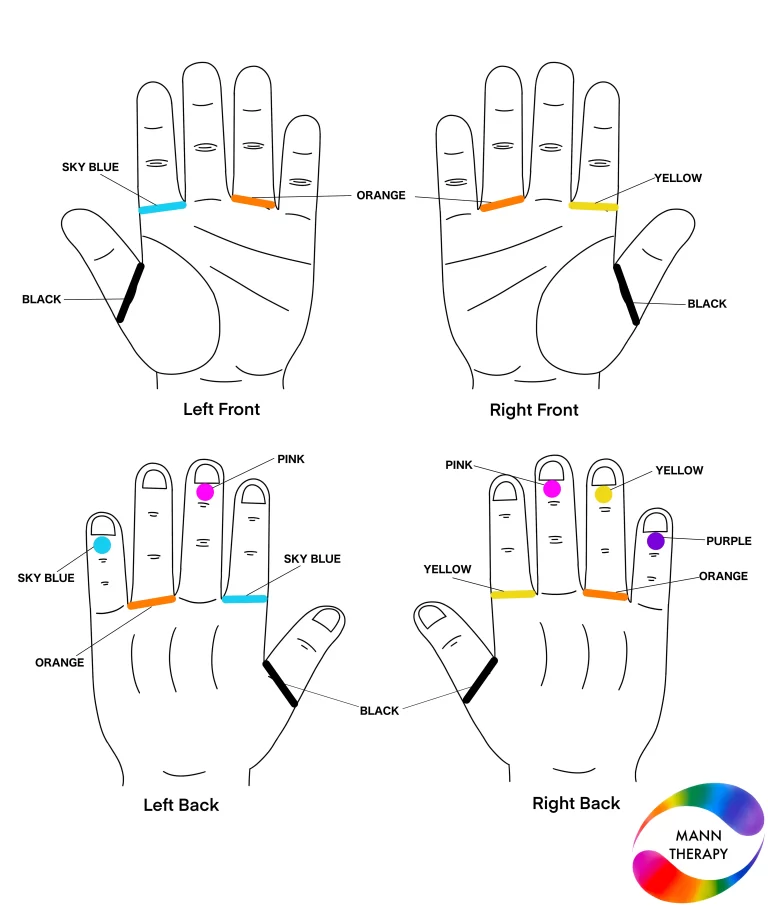
Exploring non-invasive alternatives; for instance, holistic experts like Captain Manmeet Singh offer color therapy to heal it naturally by leveraging specific wavelengths to calm the nervous system. You can explore his dedicated resources on the Stress Solution By Colour Therapy webpage.
Stress Busters – Quick, Joyful Hacks to Instantly Lift Your Mood
Managing your well-being doesn’t always have to be serious or clinical. Infusing your routine with simple, joyful “stress busters” can instantly shift your neurochemistry:
- Laugh out loud: Watch a favorite comedy or stand-up special to lower stress hormones naturally.
- Get creative: Put on music and dance, sketch, or cook a meal from scratch.
- Connect: Call a friend who always makes you smile, or spend a few minutes playing with a pet.
By integrating these varied approaches, you can transform your relationship with stress, moving away from constant survival mode and toward a balanced, sustainable lifestyle.