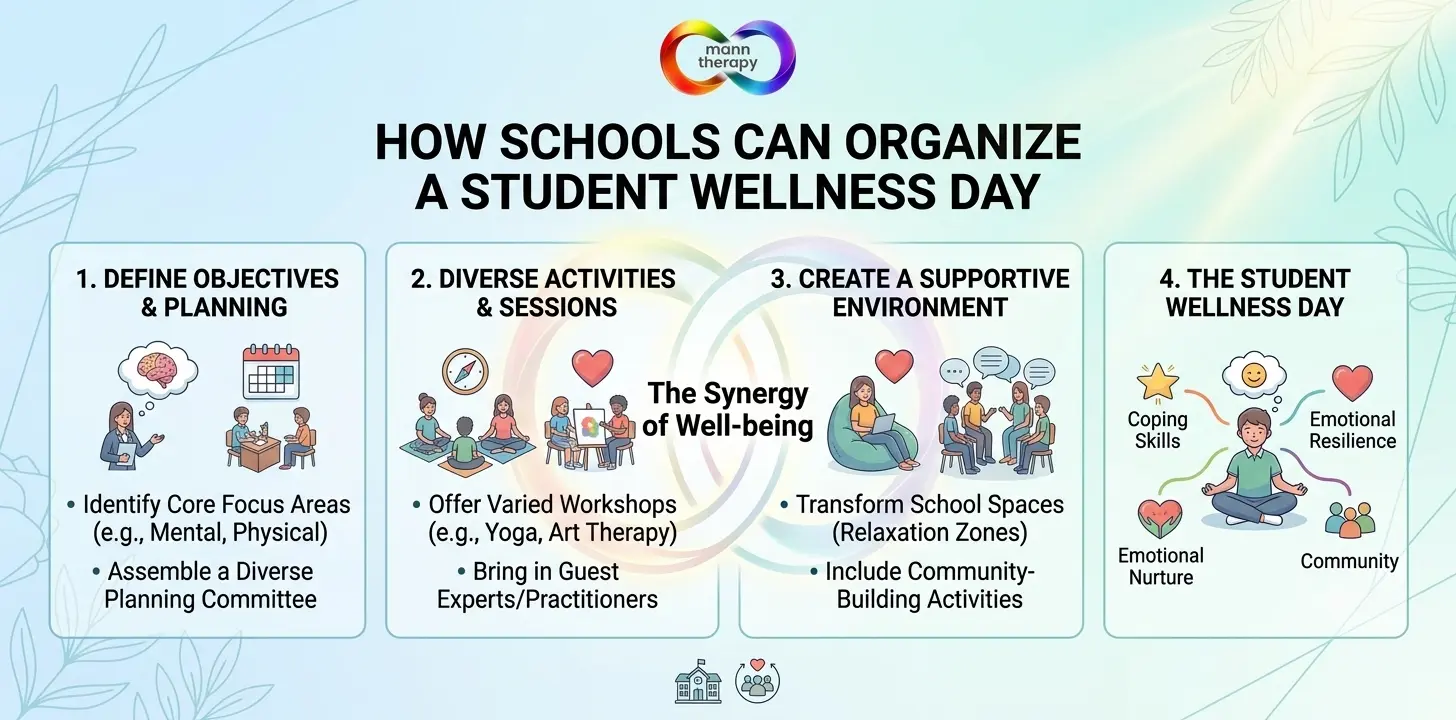
Academic pressure, social dynamics, and digital distraction often leave students feeling overwhelmed. Organising a structured student wellness day creates dedicated space to teach essential coping skills, build emotional resilience, and foster community within the school.
Establishing the Core Vision and Comprehensive Event Planning Steps
A successful wellness event starts with clear objectives. School leaders must define what they hope to achieve, whether that is stress reduction, emotional awareness, or physical health improvement.
Form a Multi-Disciplinary Wellness Steering Committee Right Away
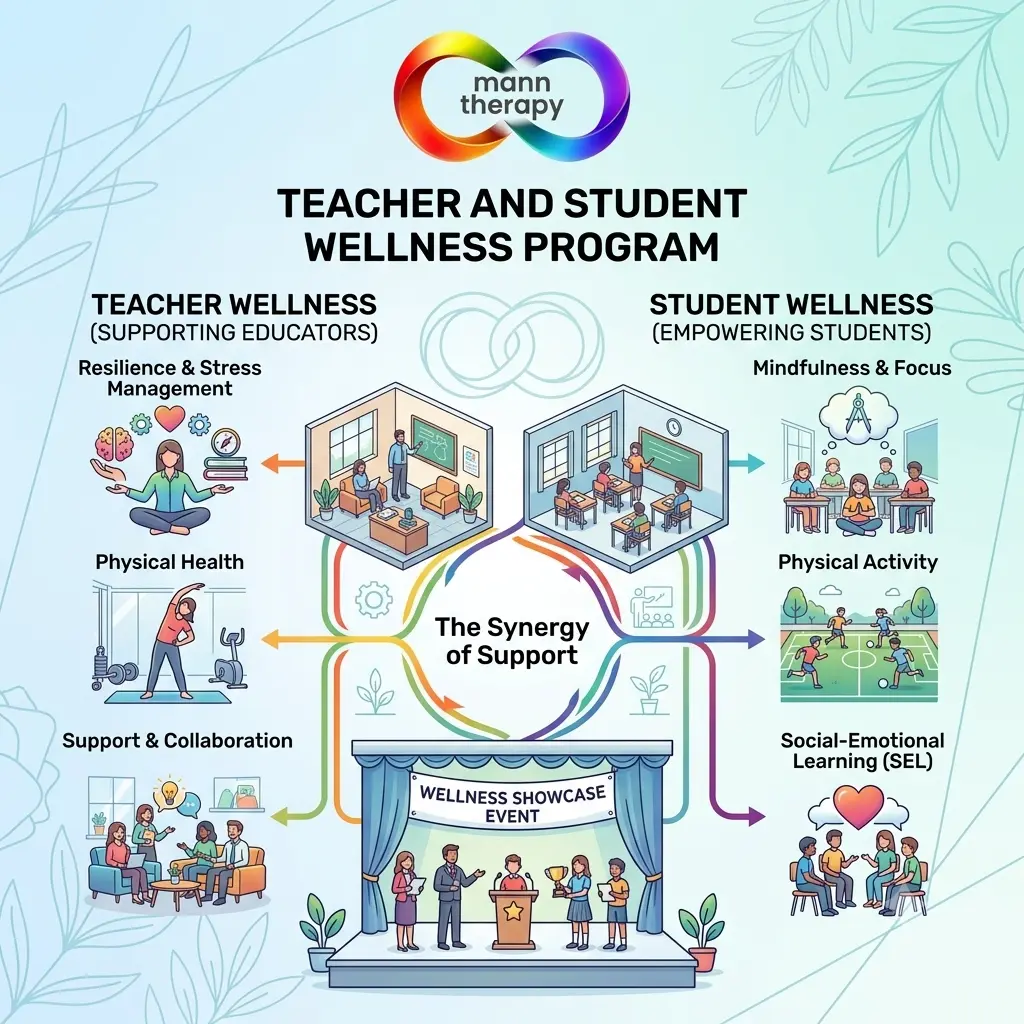
Bring together a diverse team including principals, school counsellors, teachers, and student representatives. This team will share responsibilities and ensure it considers all student perspectives during planning.
Set a Realistic Budget and Choose the Optimal Academic Date
Determine your funding source and select an optimal date on the academic calendar. Avoid scheduling near exam periods or major holidays so students can fully engage without added stress.
Selecting Age-Appropriate and Engaging Wellbeing Activities for All
Wellness needs vary greatly depending on age and developmental stages. Tailoring your sessions ensures maximum engagement across all grade levels.
Primary School Interactive Movement and Expressive Art Activities
For younger children, focus on expressive movement, basic mindfulness, art therapy, and simple deep-breathing exercises disguised as interactive games.
Middle and High School Stress Management and Digital Detox Workshops
Older students benefit from guided meditation, stress-management strategies, workshops on digital detoxing, and open panel discussions about mental health awareness.
Designing a Balanced and Well-Structured Schedule for the Day
Structure the day to keep energy levels balanced between reflective sessions and active participation.
Opening Keynote Assembly and Interactive Student Icebreaker Games
Begin the morning with an inspiring assembly to set a positive tone. Interactive icebreakers help students relax and prepare for the day’s events.
Rotational Workshop Blocks Across Multiple Interactive Stations
Divide the day into structured workshop blocks, allowing small groups of students to experience a variety of wellness topics.
Structuring the Master Timeline and Session Layout for Success
To help you map out the day, here is a sample timeline designed to balance movement, learning, and relaxation.
| Time | Activity | Focus Area |
| 08:30 AM – 09:15 AM | Welcome Assembly & Keynote Address | Motivation & Event Overview |
| 09:30 AM – 10:30 AM | Rotational Workshop 1 | Mindfulness & Stress Relief |
| 10:45 AM – 11:45 AM | Rotational Workshop 2 | Creative Expression & Art Therapy |
| 11:45 AM – 12:45 PM | Healthy Lunch & Social Time | Nutrition & Peer Connection |
| 01:00 PM – 02:00 PM | Rotational Workshop 3 | Physical Movement & Yoga |
| 02:15 PM – 03:00 PM | Closing Reflection & Feedback | Self-Care Action Planning |
Engaging Students, Educators, and External Facilitators Effectively
Broad participation is essential for a lasting impact on your school community.
Promoting Active Student Involvement and Peer Leadership Roles
Encourage senior students to take on leadership roles, such as guiding younger groups, managing logistics, or hosting interactive booths.
Involving Teachers and Staff Members in All Scheduled Activities
Ensure teachers participate alongside students rather than supervising passively. When educators practice wellness techniques, it models healthy behavior for the entire campus.
Partnering with External Mental Health and Wellbeing Experts
While internal staff can host many sessions, bringing in professional facilitators adds authority and fresh perspectives.
Bringing in Professional Facilitators to Lead Specialized Sessions
External mental health professionals, certified yoga instructors, and wellness coaches offer specialized knowledge that enriches your program.
Collaborative Workshops with Professional Facilitators at Mann Therapy
To ensure high-impact results, consider collaborating with professional organizations. Mann Therapy’s Corporate and Institutional Wellness Programs provide tailored workshops designed specifically for students and educational staff. Their expert facilitators guide interactive sessions on stress management, mindfulness, and emotional wellbeing to ensure your wellness day leaves a lasting impression.
Measuring Long-Term Event Impact and Post-Wellness Follow-Up
A student wellness day should mark the beginning of an ongoing culture of wellbeing, not just a one-off event.
Gathering Comprehensive Student and Staff Post-Event Feedback
Distribute simple feedback forms or digital surveys right after the event. Ask participants which sessions were most valuable and what topics they want to explore next.
Integrating Continuous Wellness Practices into the Daily Curriculum
Use the insights gathered from feedback to build ongoing mindfulness moments, counsellor check-ins, and recurring wellness breaks into your school’s weekly routine.
Frequently Asked Questions (FAQs)
What is a student wellness day?
A student wellness day is a dedicated school event focused on promoting physical, mental, and emotional health through structured workshops, mindfulness exercises, and interactive activities.
How far in advance should a school plan a wellness day?
It is best to start planning 4 to 8 weeks in advance to secure facilitators, organize schedules, and prepare necessary resources.
Can teachers also benefit from student wellness days?
Yes. Teachers participating in wellness sessions learn valuable stress-relief techniques and strengthen relationships with their students in a relaxed environment.
Why should schools hire external facilitators for wellness sessions?
External experts offer specialized knowledge, professional workshop structures, and a neutral presence that encourages open communication among students.
How can Mann Therapy help our school organize a wellness day?
Mann Therapy provides expert-led wellness workshops designed for academic settings. Their team delivers customized sessions covering stress control, mindfulness, and emotional resilience for both students and staff.