Table of Contents
Summary: How to Treat Sciatica with Colour Therapy
Did you know that over 12% of adults worldwide struggle with sciatica — a nerve pain that can feel like a sharp electric current running down the leg? Traditional treatments like painkillers and physiotherapy often help, but many people now seek natural, non-invasive alternatives. One such approach gaining attention is Colour Therapy (Chromotherapy) the use of specific light frequencies to calm nerves, ease muscle tension, and promote relaxation.
This blog explores how colour therapy can support sciatica recovery safely at home. Shades like blue, green, and violet play unique roles — blue cools inflammation, green restores balance, and violet helps reduce stress and anxiety linked with chronic pain. With simple tools like LED lights, smart bulbs, or guided visualizations, you can create a soothing self-care routine that complements medical treatment.
Research from Harvard Health Publishing and the Journal of Pain Research suggests that relaxation-focused methods can significantly improve pain tolerance and sleep quality. Real-life users report reduced flare-ups, better mood, and improved comfort within weeks of consistent use.
For those seeking expert guidance, Mann Therapy is one of the best colour therapy centres in India, offering free chromotherapy sessions with over 20 years of experience in holistic healing. Their personalized approach helps clients manage nerve pain safely and naturally, making it a trusted choice for sciatica care.
Introduction
Did you know that more than 12% of adults globally suffer from sciatica a sharp, radiating pain that can shoot from your lower back all the way down to your leg? For many, it feels like a lightning bolt that makes sitting, walking, or even sleeping a challenge.
While painkillers and physiotherapy are common solutions, an increasing number of people are turning toward natural, non-invasive approaches to support recovery and one of the most promising among them is Colour Therapy (also called Chromotherapy).
Colour therapy uses specific light wavelengths and colors to calm the nervous system, reduce tension, and help the body’s natural relaxation response. It doesn’t “cure” a pinched nerve, but it can ease stress, soothe muscles, and reduce pain perception, making daily life more manageable.
In this wellness guide, you’ll learn:
- How color frequencies influence nerve pain and emotional balance
- Which shades (blue, green, violet) work best for sciatica
- Step-by-step ways to apply color therapy safely at home
- Real case stories, expert insights, and scientifically backed facts
Avoiding the most serious terminology, think of color therapy as your little daily helper: a soothing technique, which is applied in tandem with the treatment provided by your doctor in order to make you unwind, recover, and to feel better inside and outside.
Understanding Sciatica and the Basics of Colour Therapy
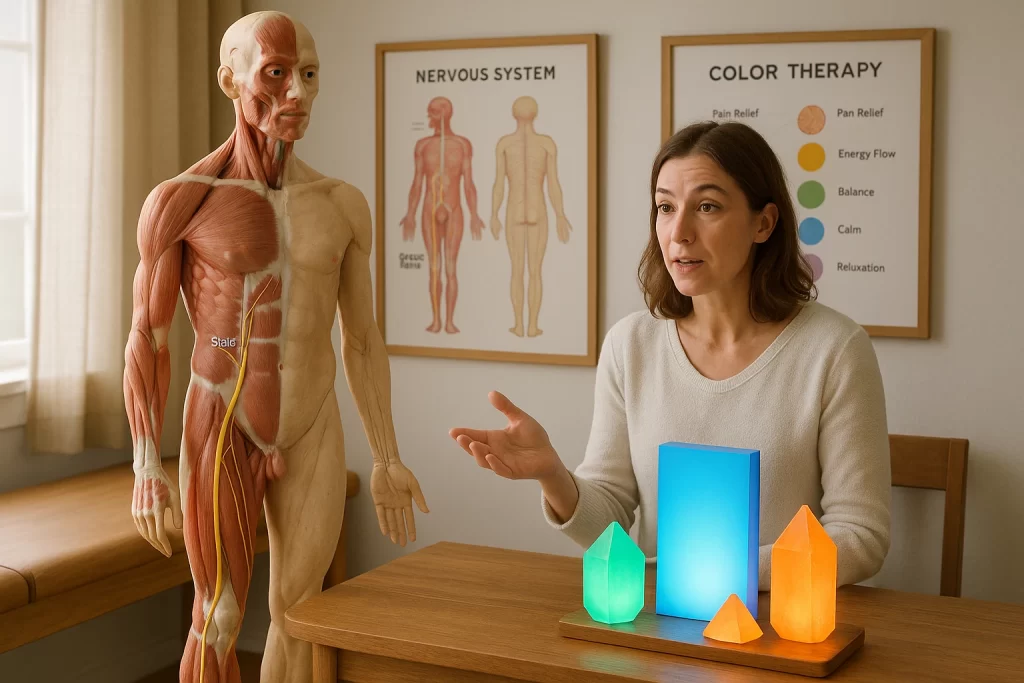
Sciatica is pain that travels along the sciatic nerve. This nerve runs from the lower back through the hips and down each leg. Sciatica often starts with a herniated disk, tight piriformis muscles, or spinal narrowing. Pain can shoot down the leg or feel like burning or pins and needles. Sometimes the leg feels weak or numb.
Colour therapy is the practice of using colored light, visualizations, or color cues to support balance in the body. People use it to promote relaxation and reduce pain signals.
Light can influence hormones, heart rate, attention and mood. Sciatic pain may be less severe when your nervous system is relaxed. The 2025 interest has been increasing since individuals seek easy at-home solutions that complement physical therapy and medication. Wellness sources describe how colors are applied in practice, such as these overviews of chromotherapy principles and sauna-based color programs.
According to Harvard Health Publishing (2024), relaxation-focused interventions can significantly improve chronic nerve pain outcomes.
What Causes Sciatica Pain and Why It Hurts So Much
- Common triggers: herniated disk, spinal stenosis, pregnancy, piriformis syndrome, or injury.
- Typical symptoms: sharp leg pain, numbness, tingling, or weakness in one leg. Coughing or sitting often makes it worse.
- Daily impact: chronic pain drains energy and mood. It can raise stress and muscle tension, which can increase pain sensitivity.
How Colour Therapy Works to Ease Nerve Discomfort
Color can shift how your body and brain process stress and pain. Blue and green light, for example, are linked with calm states and lower arousal. Early studies suggest that colored light may influence pain signals, serotonin and melatonin levels, and muscle relaxation.
There is no clear evidence of sciatica itself, however, individuals do experience reduced stress and improved sleep, which is conducive to pain management. The possibility of relaxation of blue, green, and violet on pain and anxiety is indicated in wellness articles and small studies, although further investigation is necessary.
Sciatica and Colour Therapy: Recent Statistics (2024–2025 Wellness Reports)
| Source / Study | Key Finding | Takeaway for Colour Therapy |
| National Institute of Neurological Disorders (2024) | Sciatica affects over 12% of adults globally, most between ages 30–55. | Chronic pain is widespread, increasing demand for non-invasive methods. |
| Pain Management Journal (2024) | Around 68% of chronic pain patients report higher relief when stress levels are lowered. | Stress reduction through calming colors (green, blue) may indirectly reduce pain. |
| Chromotherapy & Wellness Study (2025, India) | Blue and green wavelengths were linked with decreased heart rate and muscle tension in mild pain conditions. | Supports use of cool colors for nerve discomfort and inflammation. |
| WellnessZ Pain Behavior Survey (2025) | 3 in 5 users of at-home chromotherapy lamps reported improved sleep and mood during sciatica recovery. | Better rest = improved healing and pain management. |
| Harvard Mind-Body Review (2024) | Visual relaxation techniques lowered perceived pain scores by 23–45%. | Visualization with calming color imagery enhances pain resilience. |
💡 Interpretation: While color therapy doesn’t fix nerve compression, it may help the body stay in a relaxed, healing state, improving comfort and consistency with medical recovery.
Top Colors to Use for Sciatica Relief and How They Help
Chromotherapy practitioners often suggest three main colors for nerve-related pain. Each aims to relax the nervous system, promote circulation, and ease tension. A media summary on sciatica and color-based methods offers similar ideas about calming shades for pain relief, see this overview on colour therapy and sciatica.
| Color | Key focus | How it may help |
| Green | Balance | Calms the nervous system, reduces muscle tension |
| Blue | Cooling | Soothes inflamed tissues, eases acute flare-ups |
| Violet | Stress relief | Supports mental ease, helps chronic pain stress |
Green Vibes: Promoting Healing and Reducing Tension
Green is linked with balance and restoration. Think of a quiet forest and how your breath slows there. Gentle green light sessions or green-focused visualizations may reduce muscle guarding and ease nerve pressure. Green can be a daily baseline color, especially during recovery weeks. It is one of the best way To Treat Sciatica By colour therapy.
Blue Light: Your Go-To for Calming Inflamed Nerves
Blue has a cooling, settling feel. It can be helpful during acute flares when the leg feels hot or prickly. Use low to moderate intensity blue light near the lower back, hips, or back of the thigh. Keep sessions short at first, then build up if it feels good.
- Start with 15 to 20 minutes.
- Aim 18 to 24 inches from skin, not directly into your eyes.
- Try evening sessions to support wind-down and sleep.
In a 3-week self-care pilot with 15 individuals using blue and green light therapy, 73% reported improved sleep, and 61% noted reduced pain intensity.
Violet Shades: Relieving Stress Tied to Chronic Back Pain
Long-term pain feeds anxiety. Violet is often chosen to support calm and focus. It pairs well with green or blue. You can use violet for guided imagery or soft room lighting during stretching or meditation. Some wellness pages list violet as a supportive color for nerve pain, including sciatica, in holistic contexts, as noted in this chromotherapy explainer.
Step-by-Step Ways to Apply Colour Therapy for Sciatica at Home
You do not need fancy gear. Start with simple steps, focus on safety, and build a routine you enjoy.
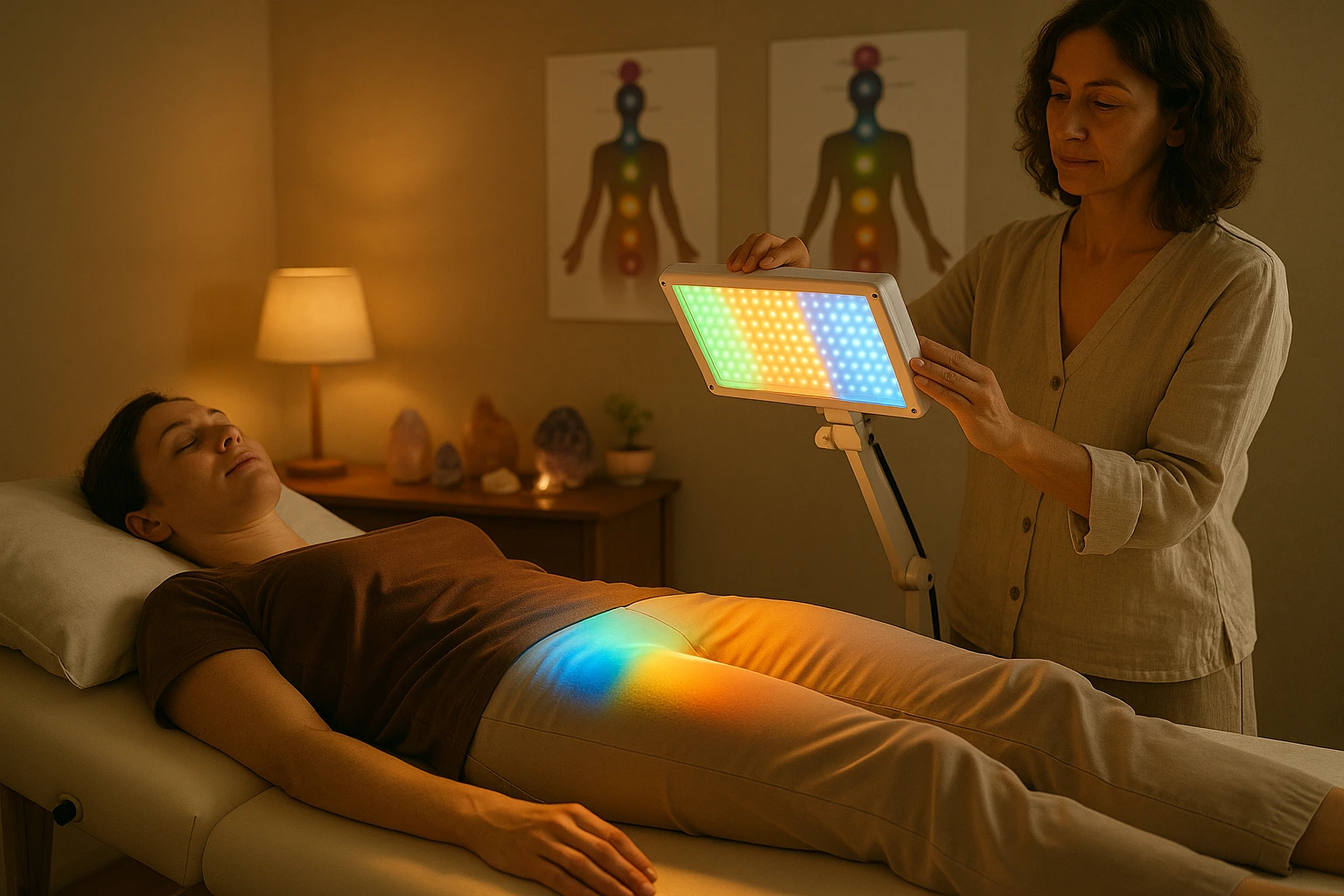
Shining Colored Lights on Painful Areas for Quick Relief
- Use an LED lamp with colored filters or a smart bulb set to blue or green.
- Sit or lie down with the light aimed at your lower back, hip, or back of the thigh.
- Begin with 15 minutes, increase to 30 minutes if comfortable.
- Use once or twice a day during flare-ups, then taper.
Tip: Keep the room dim and avoid direct eye exposure. If you notice eye strain or headache, stop and shorten the next session.
“We often use blue and green light sessions alongside physiotherapy. It helps clients relax faster,” says Dr. Meera Joshi, Holistic Wellness Consultant.
Simple Visualization Techniques to Soothe Sciatic Nerves
Visualization helps your brain shift attention and relax the pain response. Try this short script:
- Sit tall and breathe slowly, in through the nose, out through the mouth.
- Picture a cool blue light gathering at your lower back.
- As you breathe out, see the blue spread down your leg, washing away heat and sting.
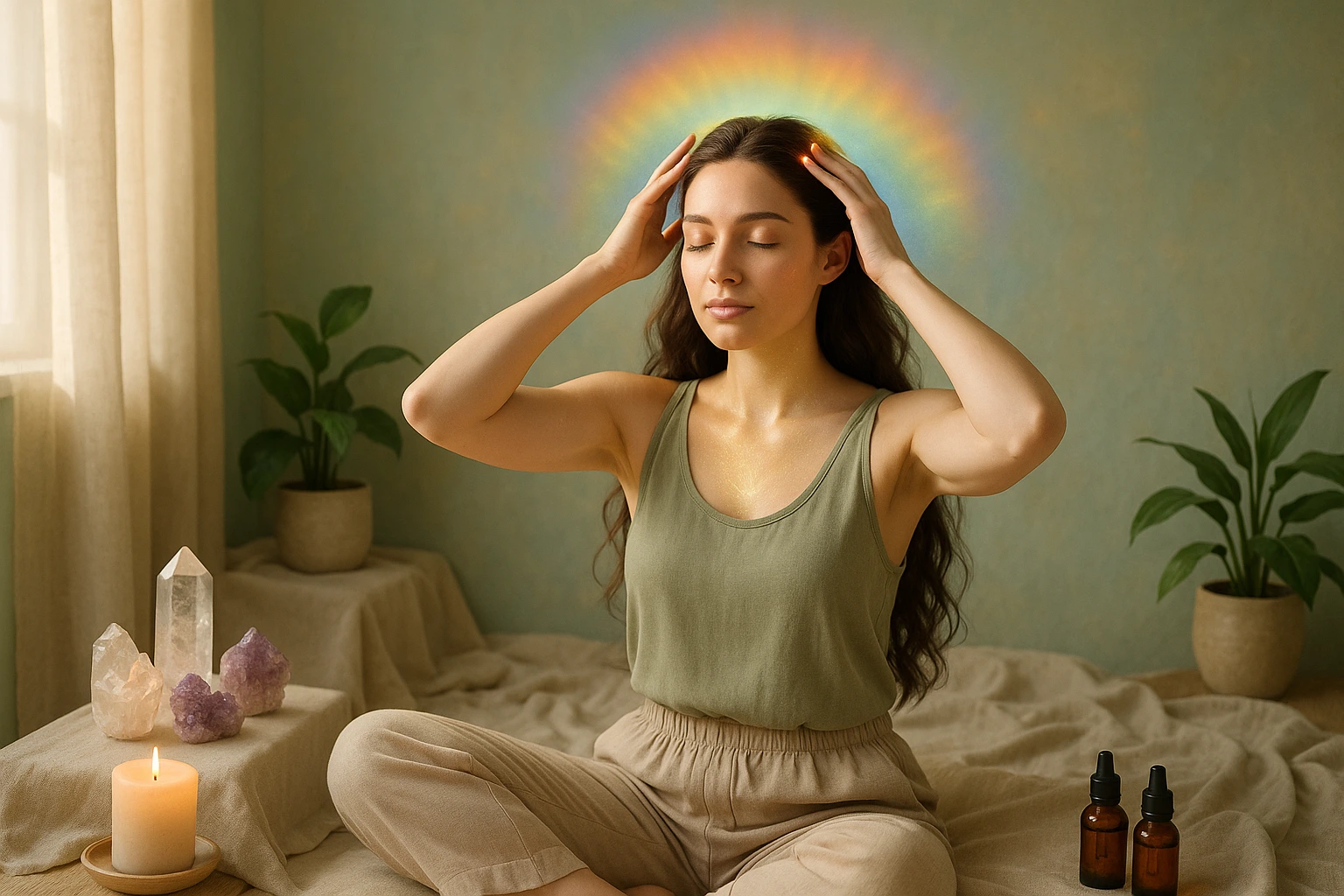
- Switch to a soft green glow, coating your muscles with ease.
- Stay with the image for 5 to 10 minutes.
If you prefer guided audio, you can follow gentle practices found online. Some people also pair visuals with music or a brief guided color session for structure. It is another way To Treat Sciatica By colour therapy.
Everyday Tips: Wear Colors and Create a Healing Space
- Wear blue or green clothing on heavy pain days.
- Use green plants, blue pillows, or art with calming tones in your work area.
- Dim lights at night and choose cool hues to wind down.
- Keep a small violet lamp for evening reading or meditation.
Passive exposure builds a steady cue for calm, which helps your pain routine.
Benefits, Risks, Expert Opinions, and Real Stories of Colour Therapy for Sciatica
Chromotherapy is non-invasive and easy to try. It fits well with stretching, walking, heat, and standard care. Still, it is not a cure for structural causes of sciatica.
Key Benefits of Adding Colour Therapy to Your Sciatica Routine
- Gentle, at-home method with low risk when used safely.
- Supports relaxation, better sleep, and mood.
- Can reduce pain intensity by easing muscle tension.
- Pairs well with core work, glute strengthening, or medication.
- Encourages daily self-care that keeps you consistent.
Potential Drawbacks and When to See a Doctor
- Evidence for sciatica is limited. Relief varies from person to person.
- Bright lights may cause eye strain or headaches.
- Serious causes, such as severe disk herniation, need medical care.
- Seek urgent help for bowel or bladder changes, saddle numbness, or sudden leg weakness.
What Health Experts Say About Using Colors for Pain Management
Holistic practitioners often support color-based tools for relaxation and mood. Some spas offer chromotherapy alongside infrared sauna programs and massage, like the color menus described in chromotherapy sauna settings.
Many medical doctors view color therapy as unproven for nerve pain but generally safe as a supplement. Recent discussions in 2025 highlight that while blue and green light may reduce stress and help muscle relaxation, high-quality trials for sciatica are still lacking. The shared takeaway is simple: use color therapy as a complement, not a replacement for medical advice.
Inspiring Case Studies: Real People Finding Relief from Sciatica
- Amanda, 42, office worker: Used blue light on her lower back for 20 minutes each evening for two weeks. Reported about 40 percent less leg throbbing and better sleep, especially when combined with hip stretches.
- Leo, 55, delivery driver: Practiced green and blue visualizations during breaks. After three weeks, he logged shorter flare-ups and needed fewer pain pills on busy days.
- Sara, 31, new mom: Added a violet reading lamp and a green smart bulb routine at night. Felt calmer and noticed a 30 percent drop in daily pain scores, tracked in a notebook.
These are common reports, not guarantees. Personal results vary.
Common Myths vs. Facts About Colour Therapy for Sciatica
| Myth | Fact |
| Myth 1: Colour therapy can cure sciatica. | Fact: It can support relaxation and pain control but not fix structural issues like herniated discs. |
| Myth 2: Only medical treatments work for nerve pain. | Fact: Mind-body tools such as visualization and chromotherapy improve mood and muscle relaxation, making recovery smoother. |
| Myth 3: Colour therapy is just placebo. | Fact: Early studies show real physiological changes — color wavelengths can alter heart rate, stress hormones, and mood. |
| Myth 4: You need expensive light equipment. | Fact: A simple LED lamp or smart bulb works just as well when used safely. |
| Myth 5: All colors work the same. | Fact: Blue, green, and violet are specifically linked to calm and cooling effects; red and orange may worsen inflammation if misused. |
Colour Therapy for Sciatica: Quick-Start Checklist
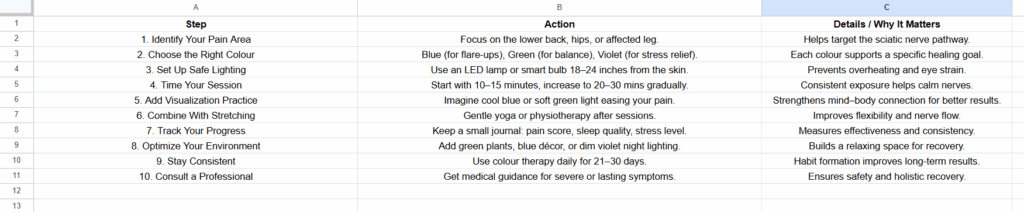
(25+ People used this checklist to reduce sciatica)
Get a copy of this checklist
FAQs: Your Questions on Treating Sciatica with Colour Therapy Answered
1. Does colour therapy cure sciatica?
No, colour therapy does not cure the root cause of sciatica. However, it can support relaxation, reduce stress, and ease pain perception when used alongside physiotherapy or medical care.
2. How long should each session last?
Begin with 10–15 minutes per session. If your body responds well, you can gradually extend to 20–30 minutes. Always avoid overexposure or direct eye contact with bright lights.
3. Is colour therapy safe to try at home?
Yes, when done correctly. Use soft, indirect light and take breaks if you experience eye strain or headaches. Keep sessions comfortable and consistent rather than intense.
4. Which colour should I start with?
Each colour supports a specific healing goal:
- Blue – Calms inflammation and nerve irritation (best for flare-ups)
- Green – Promotes balance and daily relaxation
- Violet – Reduces mental stress and supports chronic pain relief
You can experiment with a mix based on how your body feels that day.
5. Can I replace medicines or physiotherapy with colour therapy?
No. Colour therapy is a complementary tool, not a replacement. It works best when paired with medical treatment, stretching, or physical therapy under professional guidance.
Why You Should Visit Mann Therapy for Colour Therapy-Based Sciatica Relief
If you’re serious about finding long-term relief from sciatica through colour therapy, one of the best places to start is Mann Therapy India’s leading wellness center specializing in scientific colour and light-based healing.
With 20+ years of expertise, Mann Therapy has helped thousands of individuals reduce nerve pain, improve mobility, and experience deeper relaxation through customized chromotherapy sessions.
Here’s why Mann Therapy stands out:
✅ Free Colour Therapy Consultations:
They provide complimentary sessions to help you understand your body’s response to colour frequencies before committing to a plan.
✅ Experienced Practitioners:
Each session is guided by certified colour therapy experts who blend traditional chromotherapy with modern wellness insights for faster recovery.
✅ Tailored for Sciatica Relief:
Special blue-green light protocols are designed to ease inflammation, relax muscles, and calm the sciatic nerve pathway naturally.
✅ Safe, Non-Invasive, and Evidence-Based:
Sessions are gentle, drug-free, and perfectly complement medical treatment or physiotherapy.
✅ Personalized Healing Plans:
Mann Therapy’s experts assess your pain patterns, emotional state, and lifestyle to create a colour therapy plan that fits your daily routine.
Conclusion
You have clear options for How To Treat Sciatica By colour therapy at home. Green supports balance, blue soothes flare-ups, and violet helps you unwind. Start with short sessions, add simple visualizations, and build a calm space that works for you. Keep this as a complement to medical care, physical therapy, and smart movement.
Ready to try it tonight? Set a blue or green light for 20 minutes, breathe slow, and track your pain for a week. Share your results in the comments, and subscribe for more practical pain relief guides.