Table of Contents
Introduction

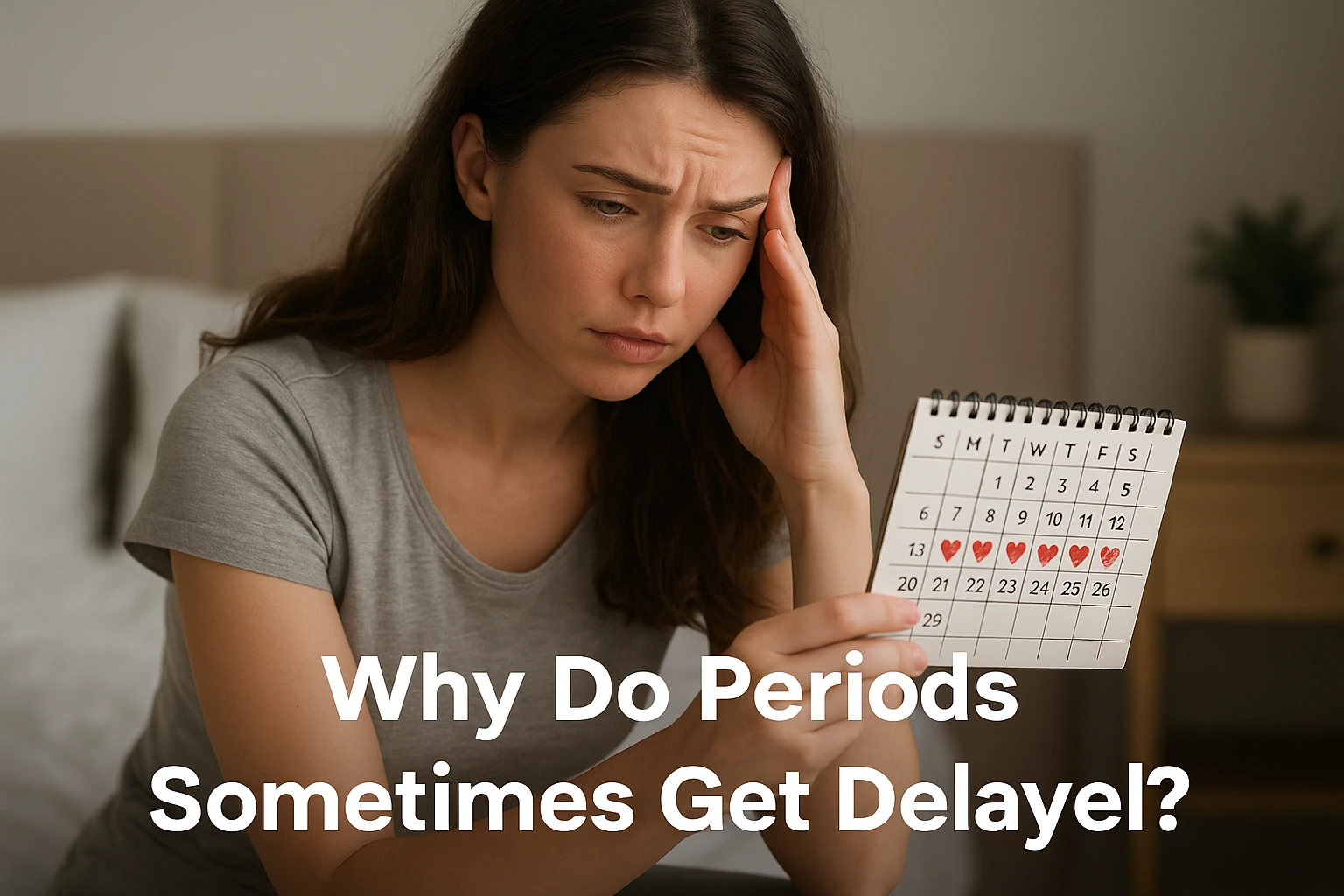
A late period isn’t always a cause for panic, but it’s often a sign your body is responding to changes. If pregnancy is ruled out, factors like high stress levels, sudden weight changes, or underlying conditions such as polycystic ovary syndrome (PCOS) and diabetes can disrupt your cycle.
Studies have shown that irregular menstrual cycles prevail in 5% to 35.6% percent of women but vary according to age, occupational and geographical distribution. Two more stages of life when irregular periods tend to occur and are entirely normal are at adolescence, when menstruation begins and during perimenopause before entering into menopause.
While the average menstrual cycle lasts around 28 days, healthy cycles can range anywhere from 21 to 35 days. If your cycle regularly falls outside these ranges, it could be due to a wide variety of biological, lifestyle, or medical factors — some temporary and others requiring attention.
Understanding these reasons can help you take better care of your reproductive health and know when it’s time to consult a doctor.
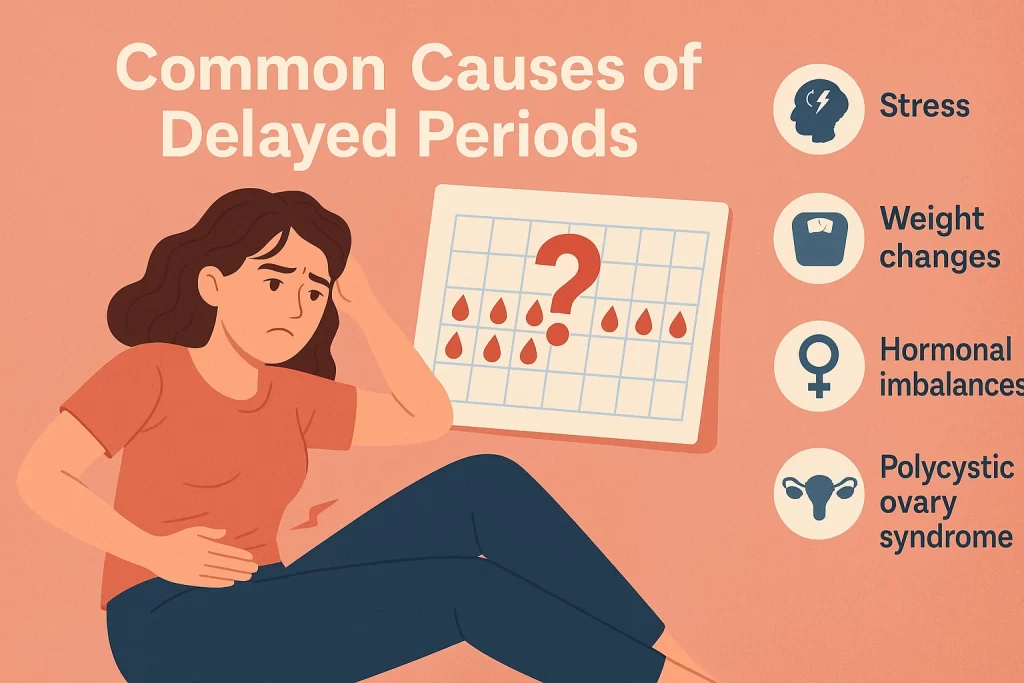
✅ Common Causes of Delayed Periods
1. Stress and Lifestyle Changes
High levels of stress may influence the hypothalamus, which is the brain part that regulates the menstrual periods. Occasional disruptions in routine, work stress, exams, or emotional problems may cause ovulation to be pushed later; this is one of the major reasons Periods Sometimes Get Delayed
Expert Tip: Practicing yoga, meditation, and proper sleep can help regulate cycles.
2. Hormonal Imbalances
Conditions like PCOS (Polycystic Ovary Syndrome), thyroid disorders, or elevated prolactin levels can cause irregular or missed periods.
Case Study: A 24-year-old with PCOS experienced a 2-month delay until her hormone levels were balanced through medical treatment and nutrition.
3. Weight Changes
Rapid weight loss, obesity, or being underweight can disrupt estrogen levels, affecting ovulation.
Fact: According to the American College of Obstetricians and Gynecologists (ACOG), even a 10% change in body weight can impact menstrual cycles.
4. Excessive Exercise
Athletes or consistently high-intensity performers are at risk of side effects from low body fat and hormonal reduction, and use the pill for menstrual suppression. It is another major reason why Periods Sometimes Get Delayed.
5. Perimenopause
Women in their 40s may notice periods becoming irregular as they approach menopause.
6. Medications
Certain contraceptives, antidepressants, or chemotherapy drugs can delay periods.
📝 Checklist: Solutions for Common Reasons Why Periods Sometimes Get Delayed
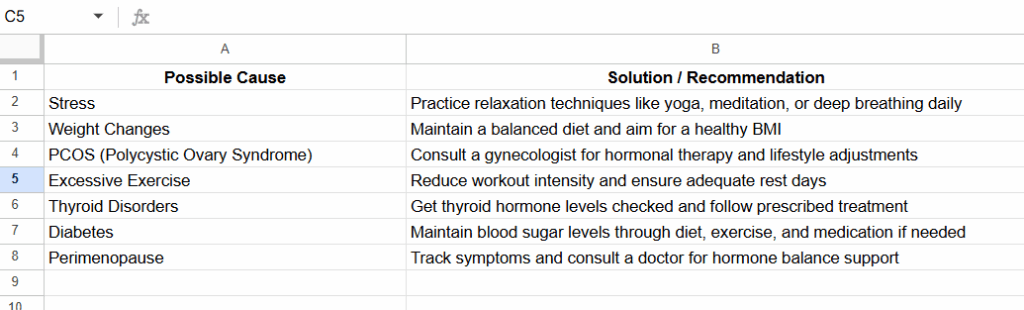
Get A Copy Of Checklist Here.
Symptoms to Watch for Along with a Late Period
- Breast tenderness
- Abdominal bloating
- Mood swings or irritability
- Unusual vaginal discharge
- Pelvic pain
Diagnosis: How Doctors Find the Cause
- Medical history & symptom analysis
- Physical & pelvic examination
- Blood tests (hormone levels, thyroid function)
- Ultrasound to check ovaries & uterus
- Pregnancy test
Treatment Options for Delayed Periods
Lifestyle & Home Remedies
- Stress management (yoga, meditation, journaling)
- Balanced diet with iron, zinc, and vitamin B12
- Regular sleep cycle & moderate exercise
Medical Treatments
- Hormonal therapy for PCOD or thyroid conditions
- Adjusting contraceptives
- Treating underlying medical issues
Myths vs Facts About Delayed Periods
| Myth | Fact | 💡 Source |
| Only pregnancy causes missed periods. | Stress, PCOS, thyroid issues, and diet changes are common causes too. | American College of Obstetricians and Gynecologists |
| Stress is the only reason periods get delayed. | Stress is common but not the only cause; hormones, diet, illness, and lifestyle all play a role. | Mayo Clinic |
| If you miss one period, it’s always a problem. | Occasional delays are normal, but persistent irregularity needs evaluation. | — |
| Birth control always regularizes periods. | Some contraceptives may delay or stop periods. | — |
| Delayed periods always mean pregnancy. | While pregnancy is a cause, there are multiple other medical and lifestyle reasons. | American College of Obstetricians and Gynecologists |
| You must take medication immediately. | Many cases resolve naturally; the cause determines the treatment. | WHO |
📌 When to See a Doctor
Seek medical advice if:
- Periods are consistently delayed for more than 3 months.
- You have severe pain, heavy bleeding, or unusual discharge.
- You suspect pregnancy.
- You notice sudden changes in cycle length or symptoms.
Scientific Insight:
What science says:
Functional Hypothalamic Amenorrhea (FHA) is a well-established medical condition where chronic stress, excessive exercise, or rapid weight loss disrupt the pulsatile release of GnRH (gonadotropin-releasing hormone), leading to delayed or absent periods. It is one of the most common causes of secondary amenorrhea in women of reproductive age. Treatment based on lifestyle changes—including stress reduction, improved nutrition, and moderated exercise—has been shown to restore menstrual cycles in a majority of cases.
“Scientific evidence also links chronic stress to ovulatory dysfunction through interference with the HPA and HPG axes. Elevated cortisol and CRH inhibit GnRH secretion, disrupting the hormonal rhythm needed for ovulation and leading to delayed periods.”
🩺 Expert Opinion
“While occasional delays are usually harmless, they can also be early indicators of hormonal or reproductive health issues. A proper evaluation helps in timely diagnosis and treatment.”
— Dr. Anita Sharma, Gynecologist & Women’s Health Specialist
Case Study: Gentle Healing with Colour Therapy
Case: Sneha, 29, experienced a 3-month delay in her cycle after a stressful job change and overseas travel. Medical tests ruled out pregnancy and PCOS, pointing to functional hypothalamic amenorrhea (stress-related cycle disruption).
Approach:
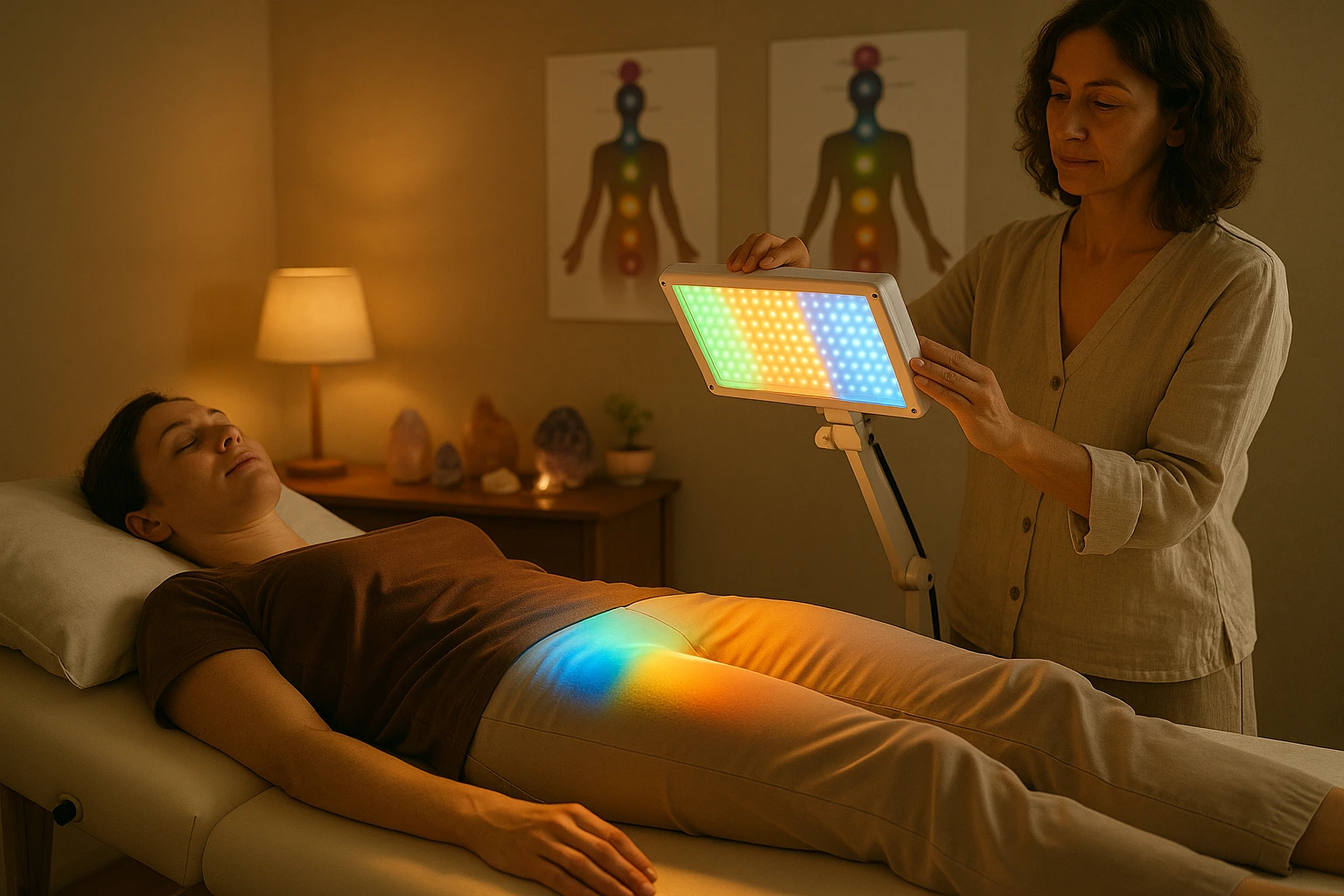
Along with dietary adjustments and better sleep habits, Sneha tried Colour Therapy sessions from Mann Therapy. Colours like blue (calming), green (balancing), and orange (energy) were applied to specific acupressure points on her hands.
Result:
Her period resumed within two weeks, and the next cycle aligned with her natural schedule — without medication.
How Colour Therapy Can Support Menstrual Health (Solution)
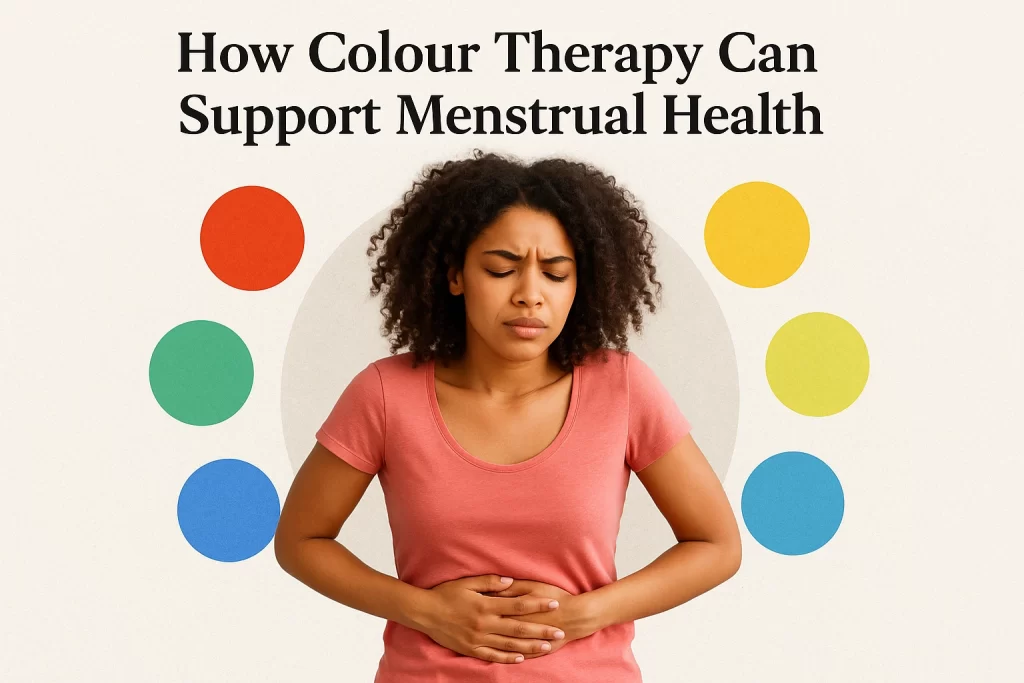
- Works on the mind-body connection to reduce stress.
- Uses specific colour frequencies to stimulate hormonal glands.
- Can help regulate both delayed and excessive menstrual flow.
- 100% natural, non-invasive, and complementary to other treatments.
For personalised menstrual health guidance, visit Mann Therapy for step-by-step colour application methods. Plus Mann Therapy Also Provides The Free Colour theraoy Services In India
How we reviewed this article:
Current Version
Aug 13, 2025
Written By
Priyansh
Edited By
Alina Kapoor
Medically Reviewed By
Manmeet Singh, MD
Copy Edited By
Ritika Sharma
Previous Version
May 02, 2024
Written By
Priyansh
Edited By
Rohit Malhotra
Medically Reviewed By
Manmeet Singh, MD
Sources Of This Article:-
- https://www.ncbi.nlm.nih.gov/pmc/articles/PMC5801702/
- Bae J, et al. (2018). Factors associated with menstrual cycle irregularity and menopause.
- Casella G, et al. (2016). Celiac disease and obstetrical-gynecological contribution.
- Itriyeva K. (2022). The effects of obesity on the menstrual cycle.
- Kwak Y, et al. (2019). Prevalence of irregular menstruation according to socioeconomic status: A population-based nationwide cross-sectional study.
- Periods and fertility in the menstrual cycle. (2023).
- Missed or late periods. (2022).
- Szeliga A, et al. (2021). Autoimmune diseases in patients with premature ovarian insufficiency—our current state of knowledge.
About the Author
Captain Manmeet Singh is a wellness mentor, educator, and pioneer in color therapy with over 20 years of experience. He has dedicated his life to helping people achieve better mental, emotional, and physical well-being through the unique healing power of colors. Passionate about making wellness accessible to all, he offers free color therapy services across India, guiding individuals towards balance and positivity without any financial barriers.
Priyansh, the writer of this article, is a passionate health and wellness content creator who specializes in making complex health topics simple, engaging, and easy to understand. With a focus on credible research, practical solutions, and SEO-friendly content, Priyansh ensures every article delivers trustworthy, actionable advice to readers.
📚 FAQs About Delayed Periods
Q1. How many days is a period considered late?
A period is generally considered late if it’s more than 7 days past your expected date.
Q2. Can delayed periods affect fertility?
Yes, if delays are due to hormonal imbalances or ovulation issues, they can impact fertility.
Q3. What home remedies help in regulating periods?
Balanced diet, exercise, stress control, and proper sleep help maintain a regular cycle.
Q4. Can I get my period immediately by taking medicine?
Some medicines can induce bleeding, but they should be taken only under a doctor’s guidance.
Q5. Is it normal to have delayed periods after COVID-19 or vaccination?
Yes, temporary changes in cycle have been reported, usually resolving within a couple of months.
Q6: Why do periods sometimes get delayed?
A: Common causes include stress, hormonal imbalances (like PCOS or thyroid issues), sudden lifestyle changes, travel, excessive exercise, or medication effects. Identifying the root cause helps in deciding whether medical intervention or lifestyle adjustment is needed.
Q7: How late is considered normal for a period?
A: A delay of up to 7 days can be normal, but if your cycle extends beyond 35 days regularly, consult a healthcare professional.
Q8: Can emotional stress really delay my period?
A: Yes. Emotional stress raises cortisol, which can suppress ovulation and shift your menstrual cycle.
Q9: Should I be worried if my period is delayed?
A: An occasional delay is common, but a doctor should evaluate frequent or prolonged delays.
Q10: Can Colour Therapy help with delayed periods?
A: Yes. By targeting hormonal balance and reducing stress through specific colour applications, Colour Therapy can support cycle regularity.
Quick Quiz: Why Do Periods Sometimes Get Delayed?
Answer these 7 questions to check your understanding before you read the conclusion.
Conclusion
So, why do periods sometimes get delayed? The answer lies in a mix of biological, emotional, and lifestyle factors. While many cases resolve on their own, frequent delays should be investigated to rule out underlying health issues.
Relaxing, supportive therapies such as Colour Therapy by Mann Therapy have the potential to help heal the emotional and hormonal issues that have caused menstrual irregularities and, combined with medical recommendations, could help get your body back on track with its innate sense of rhythm.
Your body communicates through changes in your cycle, and listening is the first step to long-term health.
Also Read:-
Free Colour Therapy Services in india