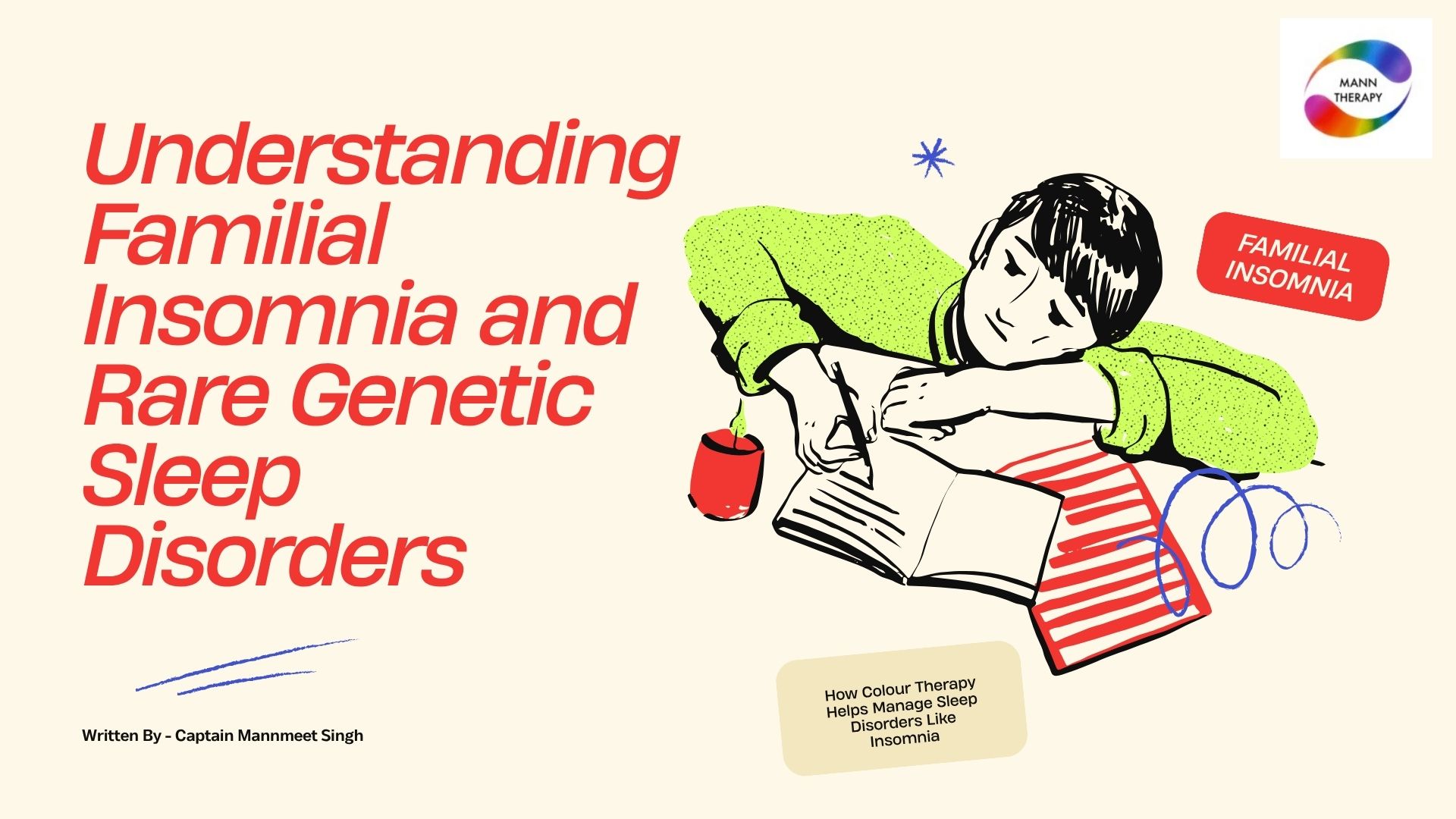
Sleep is essential for health, but rare genetic conditions can disrupt it completely. Below is a simple guide to understanding familial insomnia, its causes, and what you need to know.
What You Should Know About Familial Insomnia Disease Overview
Familial insomnia is an extremely rare genetic sleep disorder that affects the central nervous system. It directly impacts the brain region responsible for controlling your sleep-wake cycles.
Over time, this disease worsens, preventing the body from achieving restful sleep. Understanding familial insomnia helps clear up common misconceptions about severe, hereditary sleep conditions.
Clear Medical Explanation and Fatal Familial Insomnia Definition
Fatal familial insomnia definition refers to a progressive, inherited brain disorder caused by a specific gene mutation. It leads to severe, worsening sleeplessness alongside physical and mental changes.
Medical experts classify it as a prion disease. This means abnormal proteins accumulate in the brain, gradually damaging critical nerve tissue over time.
Understanding the Primary Cause of Fatal Familial Insomnia Today
The cause of fatal familial insomnia lies in a mutation of the PRNP gene. This genetic change produces misfolded proteins called prions, which build up inside the thalamus.
Because the thalamus regulates sleep and body functions, this buildup blocks normal communication. As a result, the brain slowly loses its ability to turn off and sleep.
| Aspect | Familial Insomnia (FFI) | Sporadic Fatal Insomnia (sFI) |
| Origin | Inherited genetic mutation (PRNP gene) | Non-inherited, spontaneous mutation |
| Prevalence | Extremely rare (found in ~50 families) | Ultra-rare (fewer than 100 cases reported) |
| Primary Impact | Thalamus damage and sleep cycle loss | Thalamus damage and sleep cycle loss |
| Diagnostic Method | Genetic testing & sleep study | Brain imaging, EEG & post-mortem analysis |
Identifying Key Signs and Early Familial Insomnia Symptoms
Familial insomnia symptoms usually start with mild trouble sleeping that steadily worsens over several months. People may also experience panic attacks, anxiety, and sudden muscle twitching.
As the condition advances, severe weight loss, high blood pressure, and confusion develop. Eventually, the total lack of sleep severely impacts both mind and body.
Comprehensive Guide to Progression of Fatal Familial Insomnia
Fatal familial insomnia is the most severe form of this hereditary sleep condition. It leads to complete loss of sleep, making it impossible for the body to rest.
Because the condition affects vital involuntary functions, it impacts overall bodily health rapidly. It remains one of the rarest medical disorders documented worldwide today.
How Colour Therapy Helps Manage Sleep Disorders Like Insomnia

Colour therapy uses specific visual frequencies to promote deep relaxation and soothe an overactive mind. Gentle tones like soft blue, muted green, and calming violet help lower heart rate and reduce stress before bedtime.
Incorporating these tranquil hues into your bedroom environment or evening routine supports natural melatonin production, making it significantly easier to drift off into restful sleep. Sleep disorder – Insomnia Solution By Colour Therapy offers a non-invasive, comforting approach to easing nighttime anxiety.
Current Medical Research and Cure for Fatal Familial Insomnia
Currently, there is no known cure for fatal familial insomnia. Standard sleep medications usually do not work because the underlying brain pathways are damaged.
Medical treatment focuses primarily on palliative care to keep the individual as comfortable as possible. Researchers continue studying gene therapy and protein blockers to find future solutions.
What to Do If You Are Scared I Have Sporadic Fatal Insomnia
It is completely normal to feel scared if you face extreme sleeplessness, but sporadic fatal insomnia is exceptionally rare. Worldwide, only a tiny handful of cases have ever been recorded.
If you suffer from chronic sleeplessness, it is almost certainly caused by everyday issues like stress, anxiety, or common sleep apnea. Speaking with a doctor can quickly put your mind at ease.