
Anxiety can feel like an overwhelming storm, but understanding your options is the first step toward reclaiming calm. Finding the right therapy for anxiety can transform how you navigate daily stressors and deep-seated fears. From professional clinical interventions to alternative healing practices, diverse strategies exist to help individuals manage their symptoms and build long-term emotional resilience.
Severe Anxiety Attack Symptoms: Sudden Panic Triggers
An anxiety attack can strike suddenly, causing intense terror and overwhelming physical sensations. Recognizing these acute signs is crucial for seeking immediate help and utilizing grounding techniques.
Acute Physical Distress: Terrifying Bodily Shocks
During a severe attack, individuals often experience chest pain, shortness of breath, and dizziness, mimicking a medical emergency. Shaking, sweating, and a choking sensation can terrify the person, escalating the panic rapidly if left unmanaged.
Psychological Detachment: Blinding Mental Terror
Psychologically, severe attacks bring an intense fear of losing control or dying. A sense of derealization, feeling detached from reality or one’s own body, can occur, highlighting the urgent need for a structured therapy for anxiety to cope with trauma.
Generalized Anxiety Disorder: Constant Mental Paralysis
Generalized Anxiety Disorder (GAD) involves chronic, exaggerated worry about everyday life events. This ongoing condition impacts daily functioning and requires a deep understanding to treat effectively.
Constant State of Worry: Endless Chaos Cycles
People with GAD face persistent, excessive anxiety regarding health, work, or family, even when there is no apparent reason for concern. This chronic state of dread creates immense mental exhaustion and disrupts normal daily activities.
Chronic Physical Fatigue: Deep Nervous Exhaustion
The continuous mental strain of GAD translates into physical symptoms like restlessness, irritability, and severe muscle tightness. Over time, this constant tension drains energy reserves, making professional therapy for anxiety a critical component for long-term recovery.
Cognitive Behavioral Therapy for Anxiety: Rewiring Mind Patterns
Cognitive Behavioral Therapy (CBT) is highly regarded as an effective, evidence-based approach for treating various anxiety conditions. It focuses on modifying thought patterns to alter emotional responses.
Identifying Negative Thoughts: Breaking Toxic Cycles
CBT helps individuals recognize and challenge irrational thought patterns that fuel their fears. By breaking down overwhelming problems into smaller, manageable pieces, patients learn to disrupt the cycle of continuous panic and worry.
Developing Coping Mechanisms: Building Mental Armor
Practitioners guide patients to develop practical behavioral strategies, such as exposure therapy and relaxation techniques. This active therapy for anxiety empowers individuals to face triggering situations with newfound confidence and structural mental toolkits.
How Colour Therapy Helps: Vibrant Healing Energy
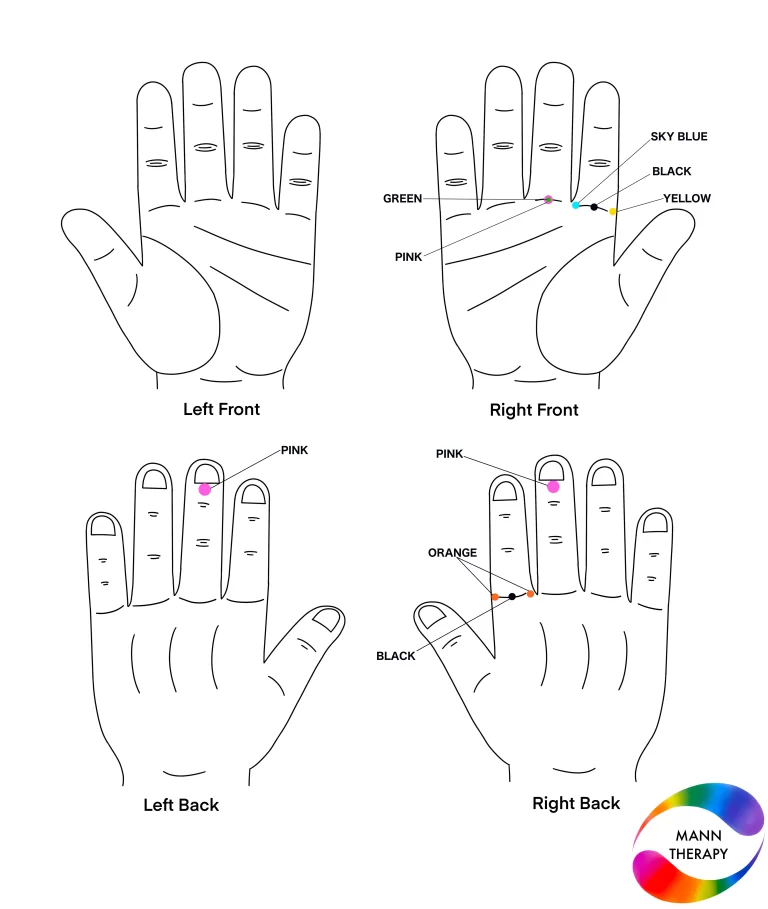
Alternative approaches, like color therapy, offer holistic ways to complement traditional treatments. This method utilizes the vibrational frequencies of colors to restore emotional balance.
Balancing Energy Centers: Resetting Internal Harmony
Color therapy, or chromotherapy, uses specific light hues to stimulate or calm the body’s energy centers. Warm colors can boost energy, while cooler tones are introduced to pacify an overactive nervous system and reduce stress.
Enhancing Relaxation Spaces: Creating Serene Sanctuaries
Incorporating soothing blues and greens into your environment can significantly lower heart rates and promote mental clarity. While subtle, this creative method supports your primary Colour therapy solution for anxiety by fostering a peaceful, healing atmosphere at home.
Anxiety Symptoms in Women: Hidden Red Flags
The manifestation of stress often varies by gender, with unique biological and social factors playing a significant role. Women frequently experience distinct physical and emotional red flags that require targeted attention and care.
Physical Manifestations: Exhausting Body Tolls
Women often experience hormonal fluctuations that intensify physical anxiety symptoms, such as rapid heartbeats, chronic fatigue, and frequent headaches. Digestive issues and muscle tension are also common, making daily routines incredibly challenging to maintain without proper support.
Emotional and Mental Signs: Silent Mental Battles
Mentally, anxiety in women often presents as persistent worrying, perfectionism, and intrusive thoughts. This emotional burden can lead to sleep disturbances and a constant state of hypervigilance, making dedicated therapy for anxiety essential for restoring peace of mind.
Anxiety Disorder Treatments: Powerful Recovery Blueprints
Managing anxiety successfully often requires a multifaceted approach tailored to an individual’s specific needs. Combining different modalities ensures a comprehensive path to mental wellness.
Medical and Clinical Options
Psychological counseling remains the cornerstone of treatment, often paired with prescribed medications like SSRIs for symptom management. Regular consultations with mental health professionals ensure the treatment plan adjusts to the patient’s evolving recovery needs.
Lifestyle and Holistic Shifts
Incorporating mindfulness, regular exercise, and dietary adjustments builds a strong foundation for mental stability. When combined with professional therapy for anxiety, these holistic habits maximize the chances of achieving sustained emotional balance and a peaceful life.