Table of Contents
Introduction
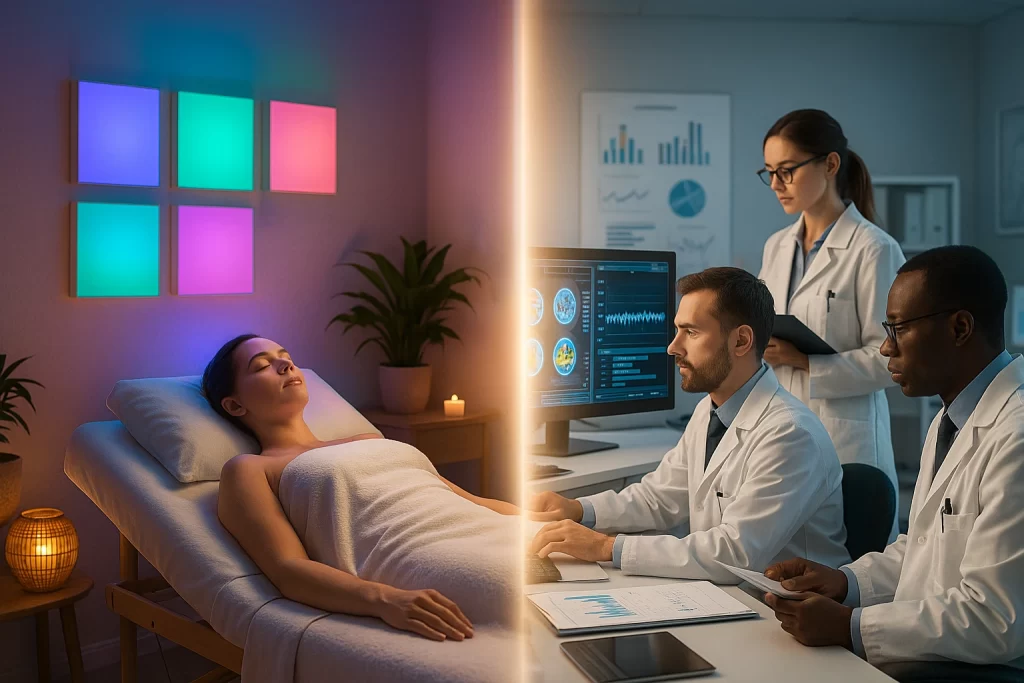
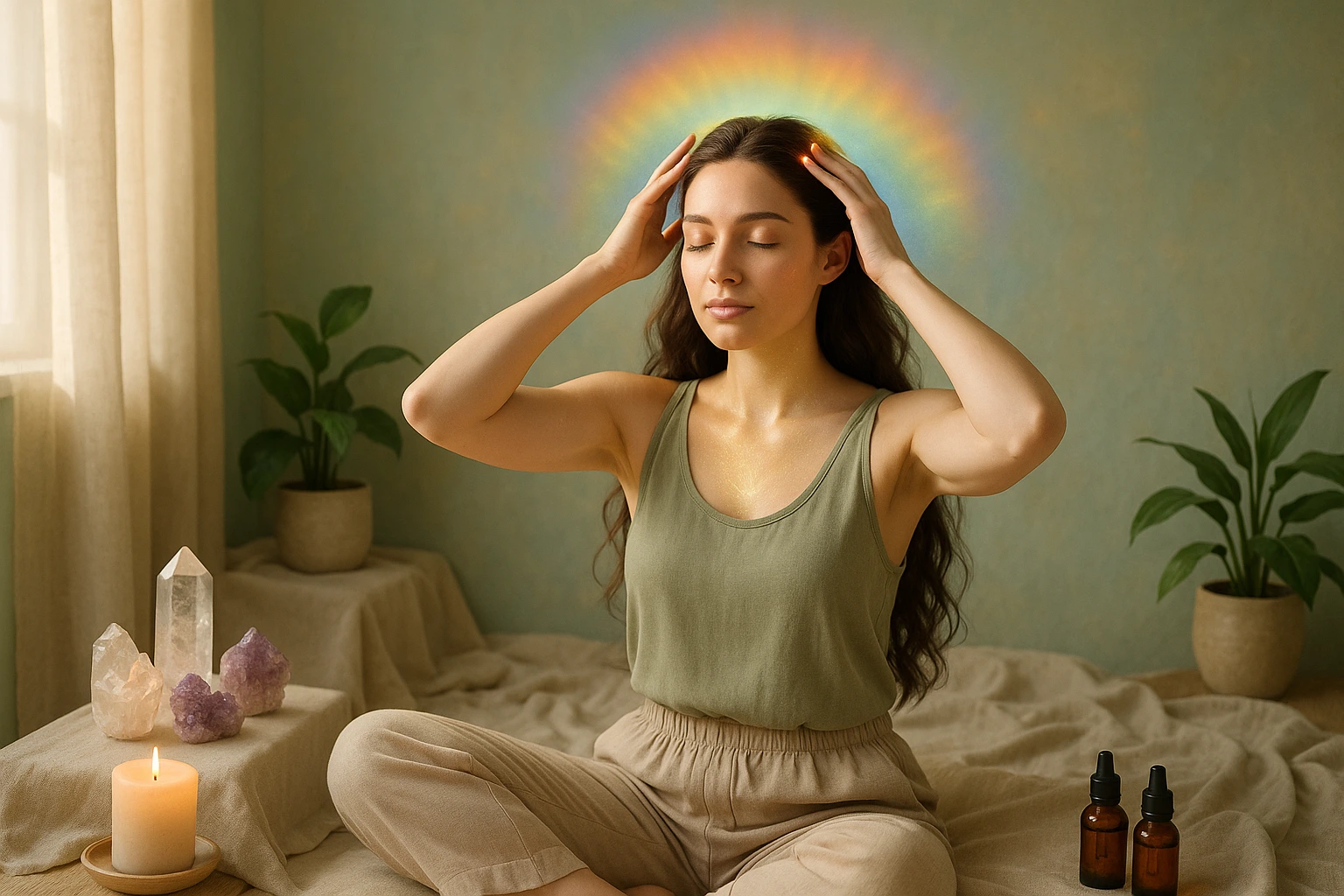
Colour therapy, also called chromotherapy, is gaining attention as a modern wellness trend. This practice claims that colors can shape mood, aid healing, and support mental health. Its roots stretch back centuries, with stories of ancient Egyptians using colored rooms to treat illness, and its popularity continues through today’s wellness circles.
“Colour doesn’t heal disease, but it undeniably shapes how we feel, think, and recover.” — Dr. Jason Kwong, Clinical Psychologist
It’s clear that color plays a significant role in our everyday lives. We pick soothing shades for our walls, don vibrant outfits to boost our mood, and turn on blue lights to combat those dreary winter blues. But does color therapy really deliver on its promises?
This article dives into its history, what the science has to say, expert opinions, and how everyday people feel its impact. You’ll find guidance for making up your own mind and see how reputable providers like Mann Therapy support clients in their journey.
History & Cultural Roots of Colour Therapy
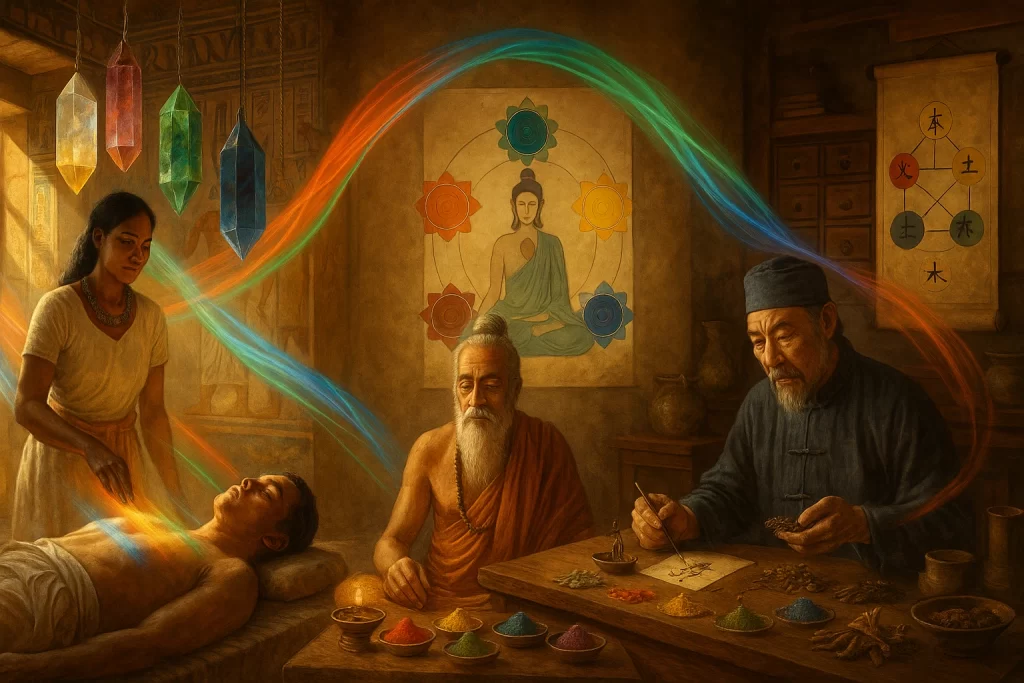
The roots of colour therapy go back thousands of years. Ancient Egyptians built sun-filled rooms with colored glass to treat illnesses, while Greeks linked colors to the four elements and body humors. In India, Ayurvedic healing connects colors with the chakras for example, red is tied to the root chakra for stability, while green is linked to the heart for compassion. These traditions saw colors not just as decoration but as tools for balance and health.
The Psychology of Colour
Modern psychology confirms what ancient cultures sensed: colors affect our minds and moods.
- Red can increase alertness and energy, which is why it’s used in gyms or fast-food logos.
- Blue has a calming effect, often seen in hospitals or meditation rooms.
- Yellow can promote positivity and optimism.
- Green is associated with balance, often used in therapeutic environments.
This psychological layer shows that while colours don’t cure illnesses, they shape our emotions and mental states in subtle ways.
Methods of Applying Colour Therapy
Here’s how different techniques are practiced today:
| Method | How It Works | Common Uses |
| Colored lights | Sitting under lamps or panels with hues | Relaxation, Seasonal Affective Disorder (SAD) |
| Visualization | Meditating while imagining specific colors | Stress relief, focus building |
| Crystals/stones | Wearing or placing colored gemstones | Energy balancing (spiritual claims) |
| Environmental use | Using wall paint, clothing, or décor | Mood regulation at home/work |
Understanding Colour Therapy and Its Claims
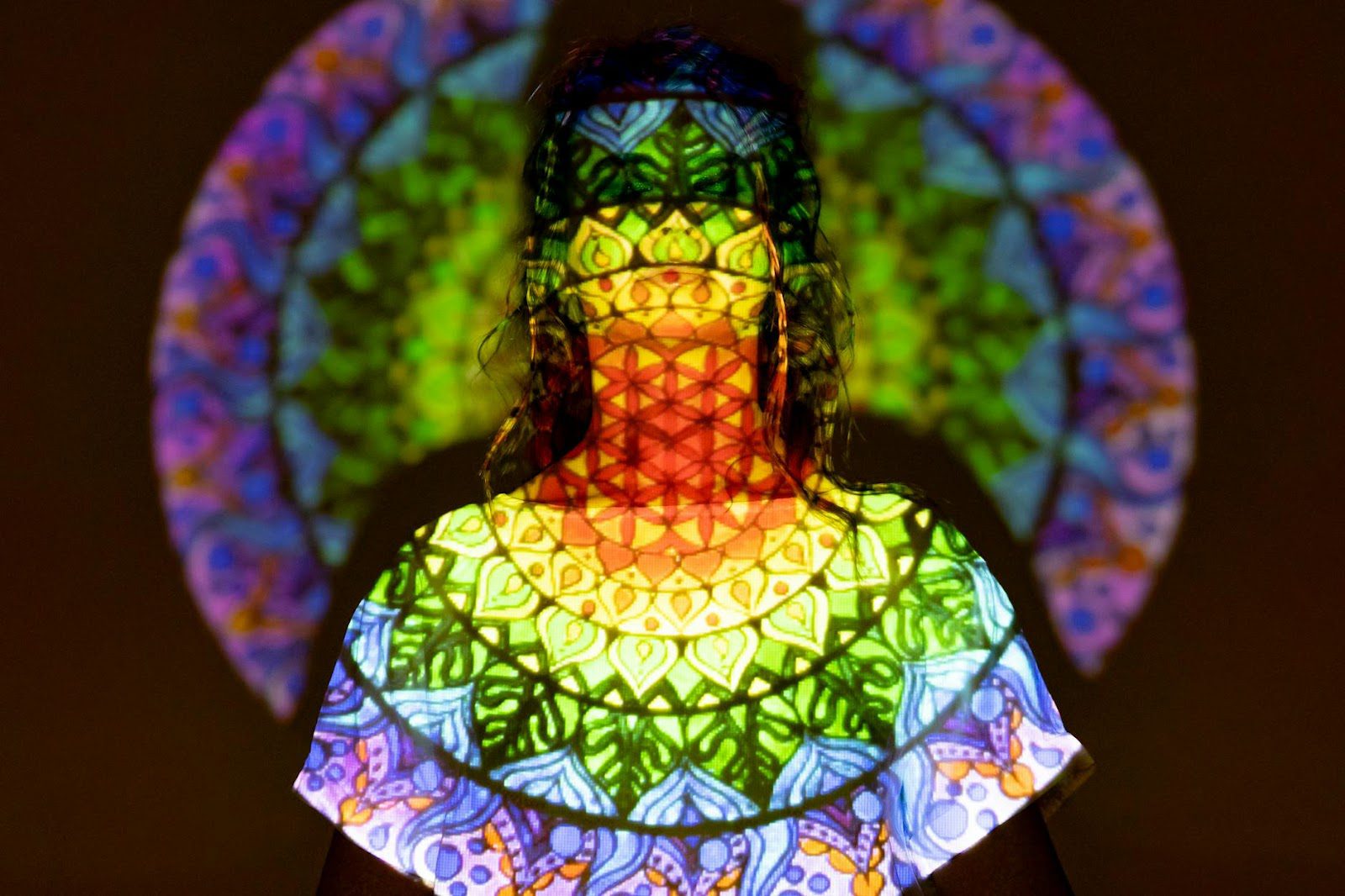
Colour therapy works on the idea that every color in the visible spectrum affects people physically and psychologically. Practitioners use several methods:
- Light exposure: Sitting in the glow of colored lamps or panels.
- Visualization: Imagining certain colors during meditation or relaxation.
- Environmental changes: Adding specific hues to rooms or wearing color-coded clothing.
This practice has a rich history behind it. In ancient times, people used colored stones and sunlight filtered through glass as part of their healing rituals. Nowadays, therapists are combining these age-old concepts with modern techniques, offering hope for a range of issues like emotional imbalances, chronic pain, stress, and feelings of low mood.
Common claims made by color therapists include:
- Helping regulate emotions and promote calm
- Improving sleep through blue or red light therapy
- Easing pain and speeding up healing
- Lifting mood or energy during gloomy weather
Some providers, including Mann Therapy, add professional structure to these experiences, using color-based sessions combined with counseling and mindfulness. Plus Mann Therapy Provides The Best and Free Colour Therapy Services in India.
Current Scientific Evidence: Does Colour Therapy Really Work?
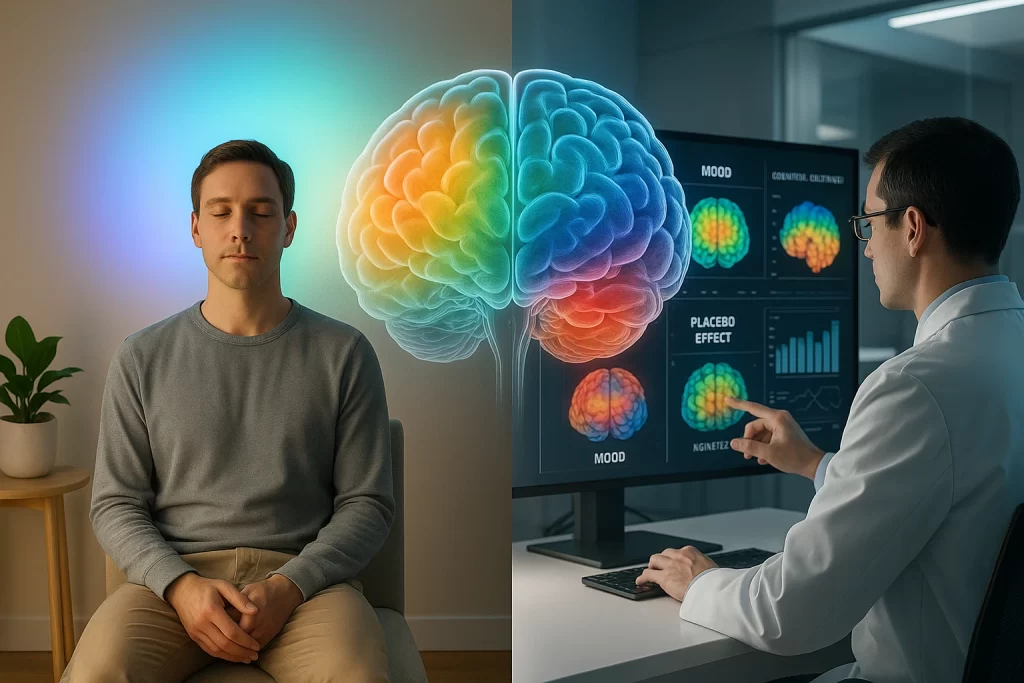
Skeptics often ask: “Does colour therapy really works according to science?” The answer is mixed.
Recent research on chromotherapy spotlights a few medical uses with some backing. Blue light therapy is an approved treatment for Seasonal Affective Disorder (SAD) and sleep problems due to its effect on circadian rhythms. Red light therapy shows promise in aiding wound healing and pain management, especially for muscle recovery. More details on the mechanisms and outcomes can be found in a ScienceDirect review.
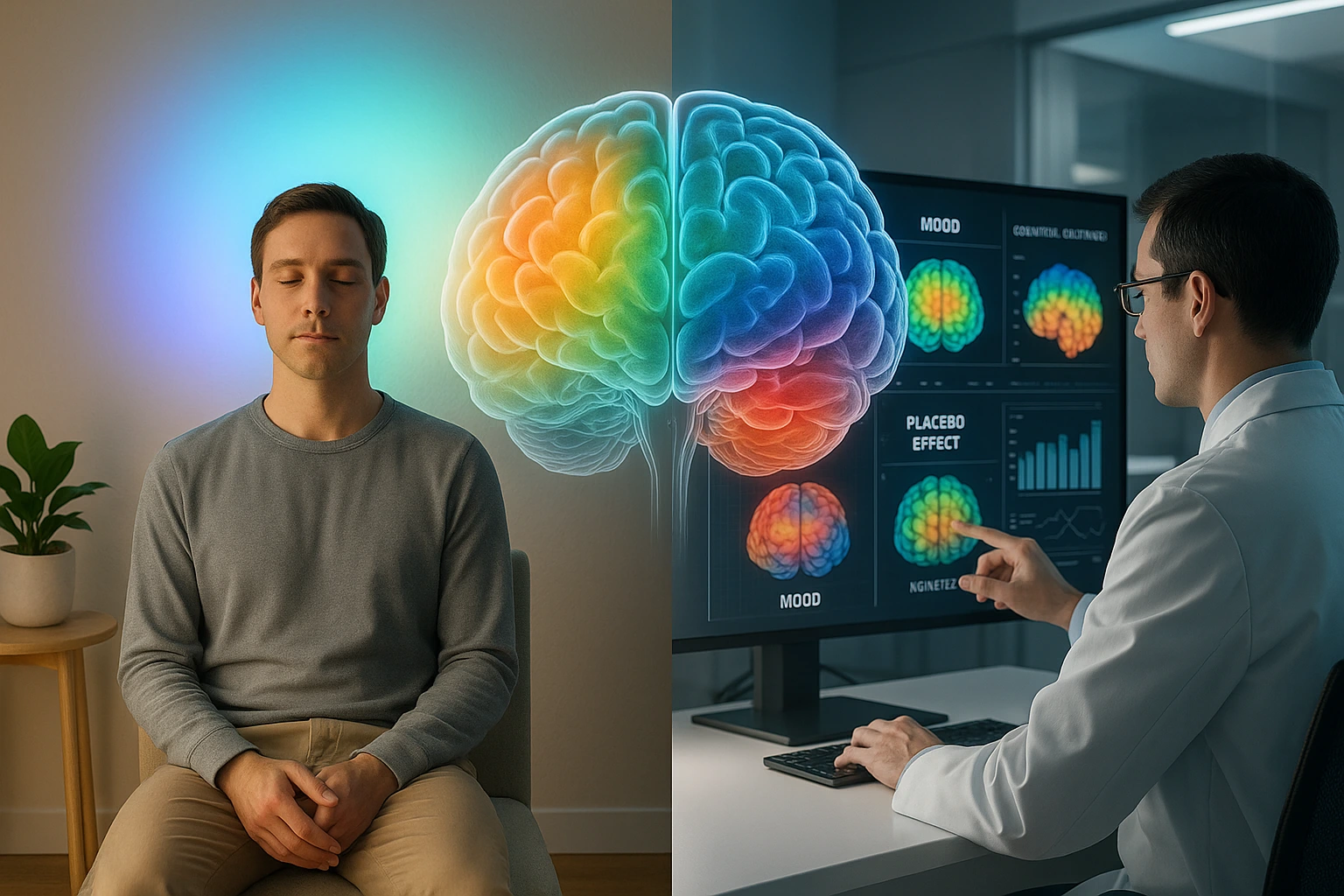
However, claims about curing major diseases, detoxification, or balancing the body’s “energies” lack solid proof. A critical review of chromotherapy highlights a gap: while some people report feeling better, controlled clinical studies often find little effect beyond a placebo.
Major doubts from the scientific community center around:
- Placebo effect: People expect to feel better and sometimes do, especially for mood-based symptoms.
- Subjective outcomes: Changes in stress or mood are personal and hard to measure strictly.
When it comes to objective claims about treating cancer or reversing chronic illnesses, there’s really no solid evidence to back those up. However, tools that support mood could be beneficial, especially when they’re used alongside established medical treatments.
This shows that Colour Therapy Really Works.
Myths vs Facts About Colour Therapy
| Myth | Fact |
| “Colour therapy can cure diseases.” | It may support mood and stress relief, but it does not replace medical treatment. |
| “All effects are placebo.” | Some scientific evidence supports blue light for SAD and red light for healing. |
| “Everyone responds the same way.” | People’s experiences vary widely depending on mindset, environment, and openness. |
Benefits vs Limitations of Colour Therapy
Benefits:
- Creates a calming environment for stress and anxiety.
- May improve sleep and energy levels.
- Works as a supportive tool in wellness and therapy.
- Non-invasive and safe when practiced responsibly.
Limitations:
- No scientific proof for curing major diseases.
- Effects may be temporary or placebo-based.
- Long-term outcomes vary from person to person.
Safety Considerations
While colour therapy is generally safe, some groups need caution:
- People with epilepsy or light sensitivity should avoid flashing or intense lights.
- Those with migraines or eye conditions should consult a doctor before starting.
- Colour therapy should never replace prescribed medical treatments. Instead, it can be a complementary wellness practice.
The Psychology of Colour
Modern psychology backs up some ancient insights:
| Colour | Psychological Effect | Common Uses |
| 🔴 Red | Energy, passion, alertness | Gyms, fast-food branding |
| 🔵 Blue | Calm, focus, stability | Hospitals, meditation spaces |
| 🟡 Yellow | Optimism, creativity | Classrooms, marketing |
| 🟢 Green | Balance, harmony | Therapy centers, nature design |
| 🟠 Orange | Enthusiasm, vitality | Sports branding, social events |
| 🟣 Purple | Spirituality, imagination | Healing spaces, luxury branding |
This shows colours may not cure illnesses but definitely influence mood and behavior.
Modern-Day Uses of Colour Therapy
Colour therapy is now widely used in:
- Spas & wellness centers (chromotherapy baths, light rooms).
- Yoga and meditation studios (colored lighting for relaxation).
- Home décor (LED mood lamps and color-changing bulbs).
- Tech-based wellness apps (VR meditation using color immersion).
This shows how the practice has shifted from traditional healing to modern wellness lifestyle trends.
✅ Do’s & Don’ts of Colour Therapy Checklist
| ✅ Do’s | ❌ Don’ts |
| Use colour therapy as a supportive wellness tool | Don’t use it as a substitute for medical care |
| Choose calming colours (blue, green, purple) for stress & anxiety | Don’t rely on it for curing serious illnesses |
| Pair with mindfulness, yoga, or talk therapy for best results | Don’t expose yourself to harsh flashing lights if sensitive |
| Try light lamps or coloured environments in moderation | Don’t expect instant or dramatic changes |
| Consult a professional provider (like Mann Therapy) | Don’t ignore doctor’s advice for chronic health issues |
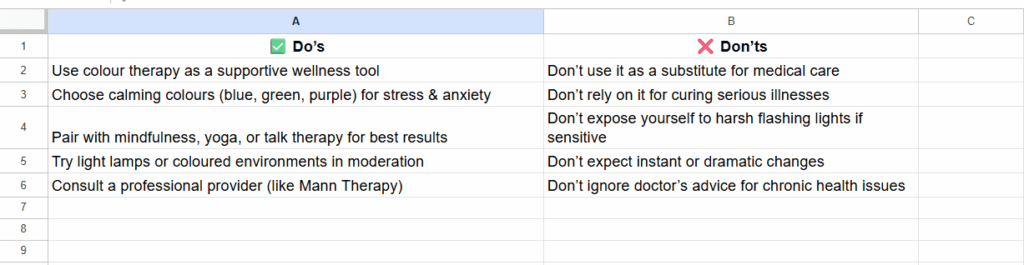
Get a Copy of Checklist
Citations & References
- ScienceDirect (2023) – Review on photobiomodulation and chromotherapy
- Mayo Clinic – Light therapy for SAD and circadian rhythm regulation
- EBSCO Research Starters (2022) – Critical overview of chromotherapy effectiveness
- Global Wellness Institute (2023) – Global wellness economy report ($4.9T)
Who Benefits the Most?
Colour therapy tends to help people who:
- Struggle with stress, anxiety, or mood imbalances.
- Experience sleep problems or seasonal low mood.
- Want a non-invasive tool to complement self-care routines.
- Are open to mind-body practices like meditation, yoga, or mindfulness.
Case Studies & Real-World Experiences
- Stress Relief for Students: A student used guided green-light meditation before exams and reported feeling calmer and more focused.
- Work Burnout: A corporate employee took part in a wellness program that included blue light sessions, and after a few weeks of stress, they found that their sleep improved significantly.
- Senior Sleep Aid: A 65-year-old participant reported improved rest patterns after using warm amber lighting during evenings.
These examples show how different groups integrate color therapy into everyday life for gentle, supportive benefits.
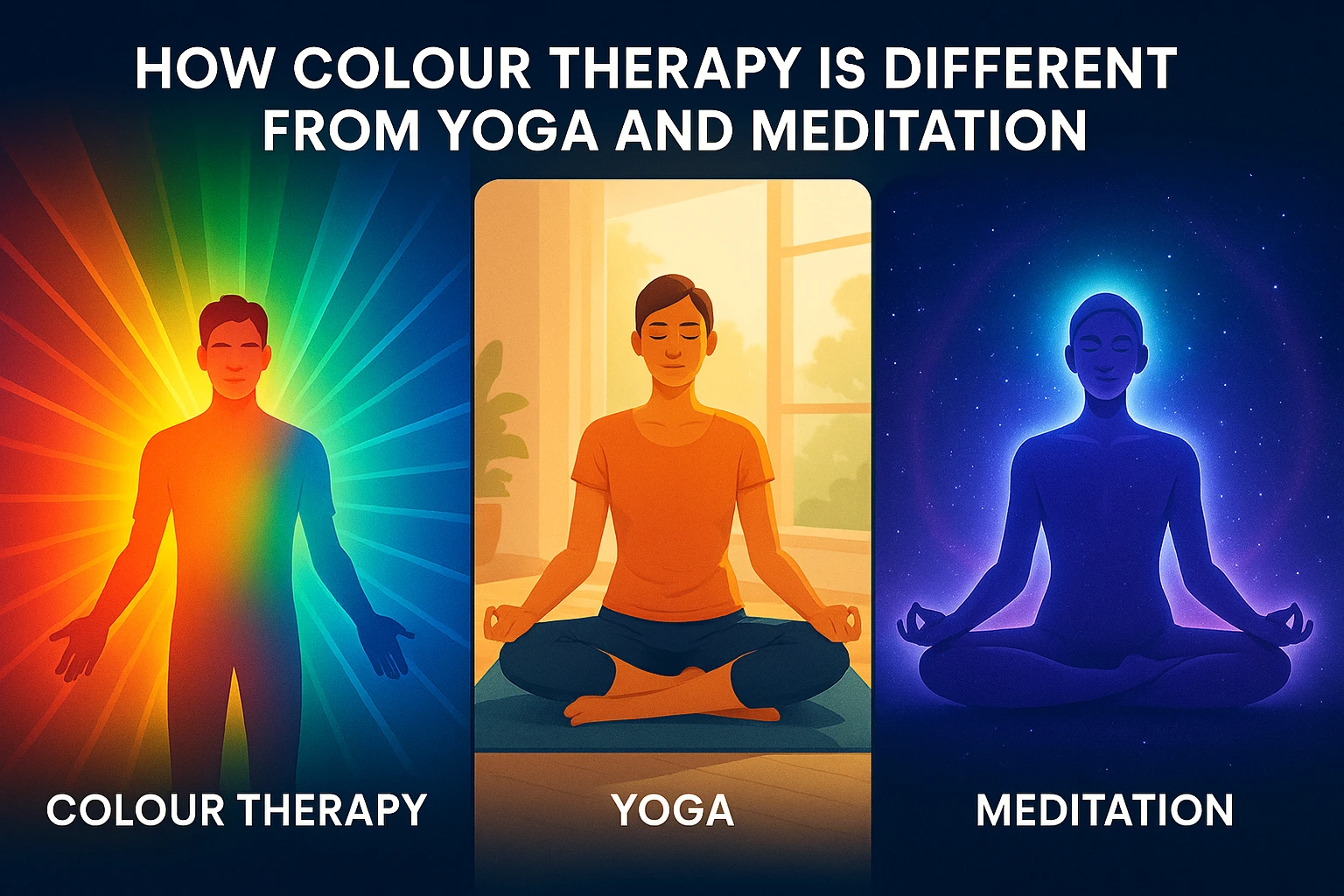
Colour Therapy vs Other Alternative Practices
| Practice | Main Focus | Key Difference |
| Colour Therapy | Mood & energy via colors/light | Visual & sensory-based |
| Aromatherapy | Relaxation & mood via scents | Smell-driven |
| Music Therapy | Emotional healing via sound | Uses rhythm & frequency |
| Meditation | Mental calm & focus | Mind-based, sometimes uses visualization |
| Reiki/Energy Healing | Spiritual energy balance | Practitioner-driven |
By comparing colour therapy with other wellness methods, readers can see how it fits into the broader holistic wellness space.
Expert Opinions and Critical Analysis
Experts in psychology and medicine caution that color therapy should not replace conventional treatment for serious conditions. According to sources such as EBSCO Research Starters, no robust studies support the use of color alone to treat physical or complex mental health challenges.
Dr. Jason Kwong, a clinical psychologist, points out that while color can affect perception and atmosphere, there’s little evidence it drives deep change by itself. He says, “Mood may lift in a pleasant environment, but this isn’t a substitute for therapy or medicine.”
Still, the relaxing quality of color can help set the scene for guided sessions.Mann Therapy, for instance, blends color-based themes with tried-and-true counseling techniques, focusing on creating a sense of safety, self-awareness, and personal comfort. Many clients rave about this well-rounded approach, noting that it really boosts the soothing effects of talk therapy.
Regulatory agencies have not approved color therapy to treat disease, but reputable providers outline that color sessions are a supportive practice, not a cure.
Real-World Case Studies
Experts and critics both look to real stories for guidance. Here are two case snapshots:
Positive Testimonial
A Mann Therapy client, Lisa H., struggled with sleep and anxiety. After six weeks of sessions using blue-toned environments and mindful breathing, she said, “My mind feels lighter, and my sleep got better. I look forward to each session, and the colors set a peaceful mood I connect with.” This experience mirrors many Mann Therapy testimonials, where clients feel calmer, more optimistic, and supported. Plus They also Have 20+ years of experience in This Industry.
Neutral/No Benefit
James P. gave color visualization a shot for his chronic back pain, alongside physical therapy. He shared, “It felt relaxing at the time, but the pain didn’t really change.” He decided to stick with physical therapy as his primary treatment, seeing color therapy more as a nice addition rather than a solution. These experiences highlight why people are drawn to this approach.
Some individuals find genuine relief, especially when guided by skilled practitioners, while others realize that color therapy alone isn’t enough to tackle deeper health issues.
Frequently Asked Questions on Colour Therapy
Is color therapy safe?
When practiced responsibly by professionals like those at Mann Therapy, color therapy is generally safe. It involves non-invasive techniques like colored lights or guided relaxation. People with light sensitivity or certain eye conditions should consult a doctor first.
Can it treat serious illness?
No solid evidence supports using chromotherapy to treat or cure diseases such as cancer or diabetes. It should not be used as a replacement for proven treatments.
What are reasonable expectations?
Color therapy can help set a relaxing mood or support mental wellness as part of a broader self-care routine. Expect improvements in stress relief, focus, or emotional balance rather than dramatic physical changes.
Can everyone benefit, or only some people?
Individual responses vary. People open to guided relaxation and visualization often enjoy more benefits. For others, effects may be mild or limited to brief relaxation.
Conclusion
Does colour therapy really works? Current evidence says color can shape mood, help relaxation, and play a role in certain approved therapies like blue light for sleep. However, it’s not a cure-all, and it cannot replace medical care for real illness.
Practical use of color therapy—especially through reputable providers like Mann Therapy shows value for many seeking mental calm and an enriched self-care routine. Trust personal experience, but question unsupported claims. Consult professionals when considering new therapies. If you’re curious, quality providers can help you explore chromotherapy as a useful tool within a safe, balanced program.
For More Information Click The Button