
Core Neurological Concepts and Clinical Context Behind Sleepiness
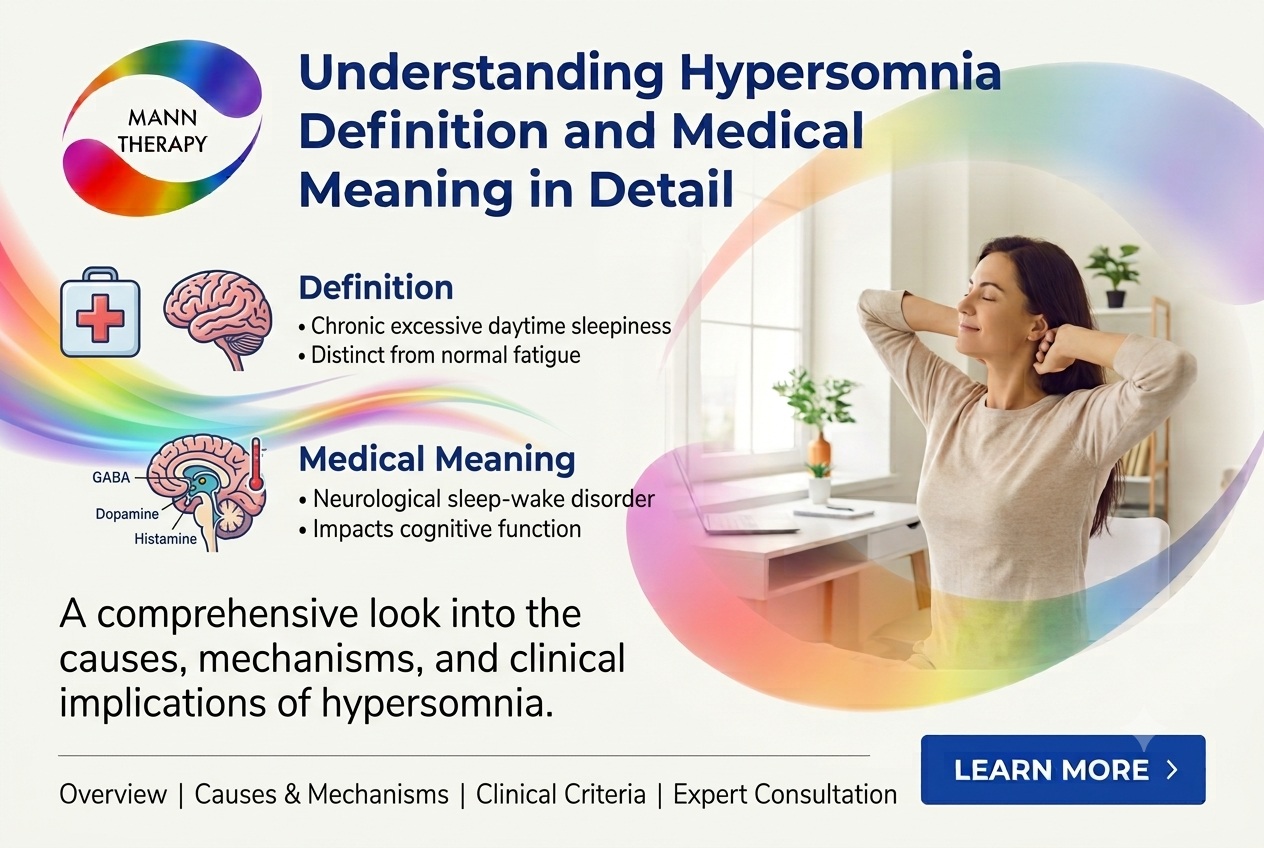
Understanding the true hypersomnia definition requires looking beyond typical fatigue. It refers to a neurological state marked by excessive daytime sleepiness despite long nocturnal sleep hours. Medical professionals classify it as a central disorder of hypersomnolence, impacting everyday alertness and metabolic rhythms drastically.
Long-Term Impact and Everyday Clinical Significance of Excessive Sleep
The underlying hypersomnia meaning highlights an inability to stay awake during normal social or work hours. Unlike insomnia, where sleep is elusive, individuals with this condition struggle with excessive, unrefreshing rest. Identifying this distinction early helps prevent severe disruptions in personal safety and daily function.
Exploring Primary vs Secondary Types and Causes of Hypersomnia
Primary Versus Secondary Disease Classification and Brain Function
Exploring the types of hypersomnia reveals two distinct categories: primary and secondary. Primary types originate within brain circuits regulating sleep-wake cycles, such as narcolepsy. Secondary types stem from external factors, including thyroid dysfunction, neurological injuries, or severe sleep apnea.
Biological Mechanisms and Environmental Drivers Causing Sleepiness
Investigating hypersomnia causes requires evaluating both biological mechanisms and environmental lifestyle factors. Neurochemical imbalances in dopamine or histamine systems often disrupt arousal pathways. Additionally, chronic prescription drug use or structural brain injuries can directly trigger long-term daytime sleepiness.
Recognizing Early Signs and Complex Hypersomnia Symptoms Fast
Physical Indicators, Motor Responses, and Sensory Sleep Drunkenness
Recognizing early signs of hypersomnia involves observing persistent daytime drowsiness and long, unrefreshing naps. Patients frequently report severe sleep drunkenness—a prolonged, confused state upon waking. Constant mental fatigue, impaired reflex speed, and involuntary daytime micro-sleeps further signal severe sleep architecture disruption.
Cognitive Functional Decline and Emotional Burnout Issues
Broader hypersomnia symptoms extend deeply into daily cognitive performance and mood stability. Executive functioning deteriorates, causing severe brain fog, memory gaps, and difficulty maintaining workplace concentration. Over time, these unrelenting physical hurdles lead to extreme burnout and intense emotional distress.
Examining Complex Links Between Hypersomnia and Depression
Bidirectional Brain Links and Shared Neurochemical Pathways
The overlap between hypersomnia depression presents a complex clinical challenge for psychiatric medicine. Mood disorders often alter sleep architecture, driving affected individuals toward excessive sleeping habits. Conversely, chronic sleepiness disrupts neurochemical balance, creating a biological environment prone to major depressive episodes.
Psychosocial Consequences and Managing Emotional Health Strains
Living with constant exhaustion severely limits social engagement, accelerating isolation and depressive symptoms. When individuals feel unable to participate in work or family life, feelings of worthlessness often increase. Addressing both mood management and sleep regulation simultaneously yields the best long-term recovery results.
Idiopathic Hypersomnia Treatment and Holistic Management Strategies
Standard Medical Interventions and Specialized Prescriptions
Targeting idiopathic hypersomnia treatment requires modern wake-promoting therapeutics to manage daytime alertness. Doctors frequently prescribe specialized central nervous system stimulants or GABA-receptor modulators. FDA-approved lower-sodium oxybate options specifically target sleep inertia and help restore structured night-to-day transitions effectively.
Sleep disorder- Hypersomnia Solution By Colour Therapy Approach
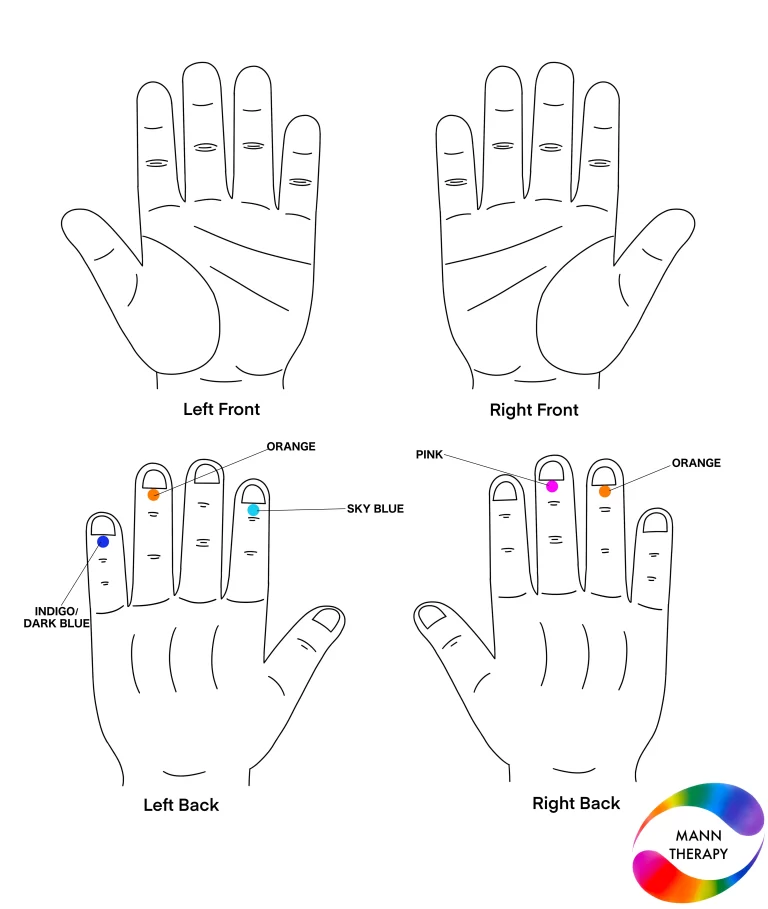
Broad hypersomnolence treatment extends beyond standard prescriptions to include holistic options and lifestyle shifts.
For instance, Sleep disorder- Hypersomnia Solution By Colour Therapy offered by Mann Therapy helps heal it, utilizing targeted light spectrums to balance mood and circadian rhythm alongside rigid sleep schedules and behavioral modifications.
Key Overview: Hypersomnia Characteristics
| Aspect | Primary Hypersomnia | Secondary Hypersomnia |
| Primary Cause | Central nervous system dysfunction | Underlying medical condition or medication |
| Typical Diagnosis | Idiopathic Hypersomnia, Narcolepsy | Sleep Apnea, Depression, Brain Injury |
| Nap Effect | Long, unrefreshing daytime naps | Short or variable naps; underlying cause dependent |
| Primary Approach | Central stimulants, specialized oxybates | Treating root illness, CPAP, lifestyle adjustments |
| Holistic Options | Mind-body protocols, scheduled light exposure | Mann Therapy colour therapy solution, sleep hygiene |